
Coffee is one of the most popular beverages in the world, with more than 2 billion cups enjoyed every day. For many people, it is part of a daily routine, whether that means starting the morning with a hot cup of coffee or enjoying one after a meal. Much of coffee's appeal comes from caffeine, the natural stimulant that helps increase alertness and reduce feelings of fatigue.
Caffeine is not only found in coffee. It also appears in tea, chocolate, and many packaged foods and drinks, including gum, jelly beans, energy products, and snack items. While most people know caffeine for its ability to provide a quick energy boost, there are several other interesting facts about it that many people may not realize.
Here are five surprising things you may not know about caffeine.

1. Caffeine May Help Lower the Risk of Certain Skin Cancers
Your morning coffee may do more than help you wake up. Some research suggests that caffeine intake may be linked to a lower risk of certain types of skin cancer.
Studies have found that people who consume more caffeine may have a lower risk of developing basal cell carcinoma, which is the most common form of skin cancer. In one large study, women who drank more than three cups of coffee per day had a lower risk compared to women who drank very little coffee. Men with higher caffeine intake also showed a lower risk.
Other research has suggested that caffeine may also be associated with a reduced risk of melanoma, the deadliest form of skin cancer. Of course, caffeine is only one possible factor. Sun exposure, genetics, and lifestyle habits also play a major role in skin cancer risk.
2. Caffeine Does Not Stunt Growth
One of the most common myths about caffeine is that it can stunt growth, especially in children and teens. However, there is no strong scientific evidence to support that claim.
Caffeine does not directly stop bone growth or physical development. While it can have a small effect on calcium loss, that effect is generally not large enough to interfere with normal growth when intake is moderate.
This myth may come from older concerns about coffee and bone health, but current evidence does not show that caffeine stunts growth. Like many things, the main issue is moderation. Very high caffeine intake may come with downsides, but normal consumption is not known to limit development.
3. Caffeine Changes the Chemistry of the Brain
Have you ever wondered why caffeine helps you feel more awake? The answer comes down to brain chemistry.
Caffeine works by blocking adenosine receptors in the brain. Adenosine is a chemical that helps your body feel tired, so when caffeine blocks it, you feel more alert and less sleepy. This is one reason caffeine can improve focus, concentration, and mental sharpness.
Caffeine can also stimulate the central nervous system and increase adrenaline levels. That can make you feel more energized, increase your heart rate, and prepare your body for action. It may also affect dopamine, which plays a role in mood and motivation.
That combination helps explain why many people feel more productive, alert, and even happier after having coffee. At the same time, too much caffeine can lead to jitters, nervousness, or restlessness in some people.
4. Caffeine May Support Brain Health as You Age
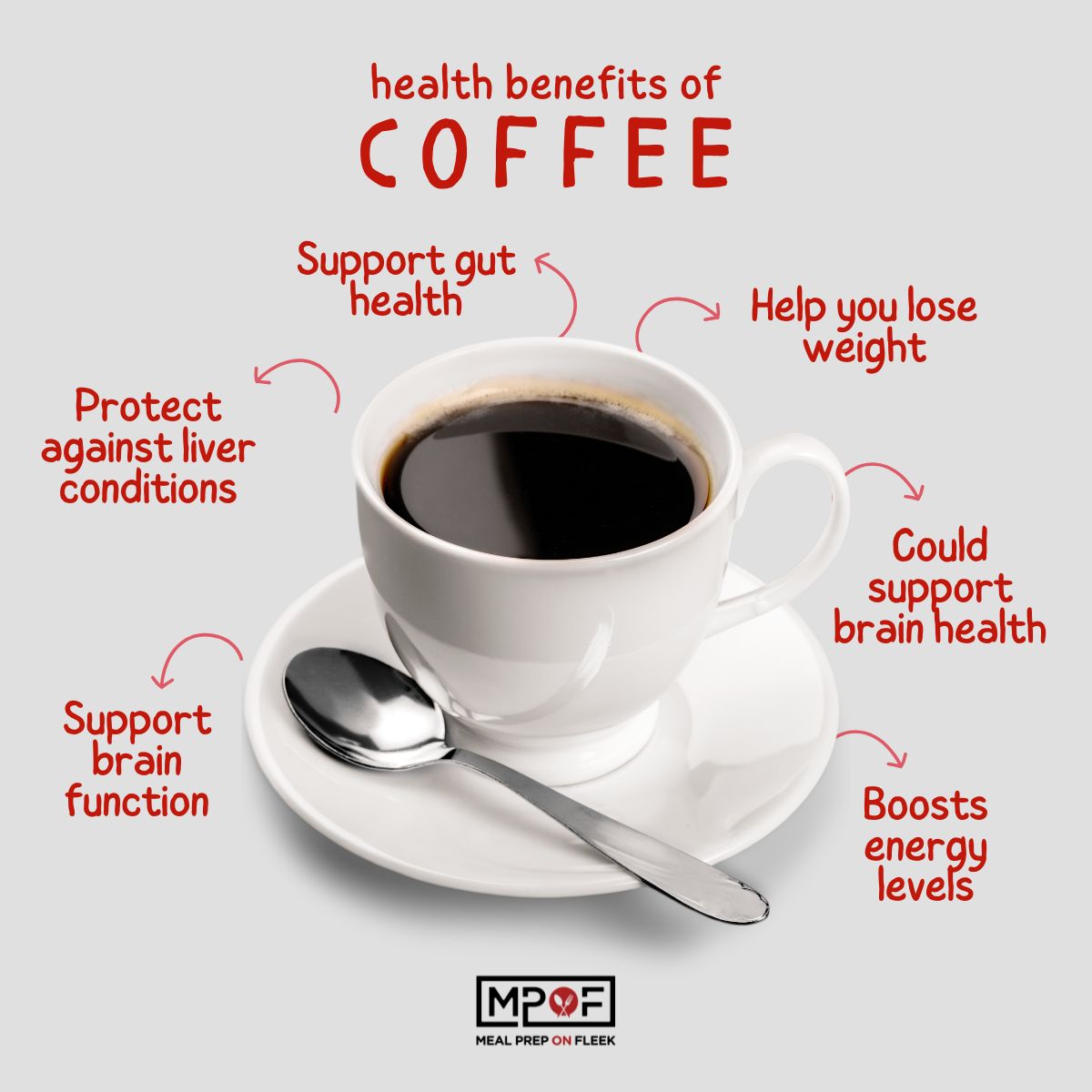
Caffeine may also have benefits for long-term brain health. Some studies suggest that regular caffeine intake may be linked to a lower risk of cognitive decline and neurodegenerative conditions such as Alzheimer's disease.
Researchers have found that older adults who consume caffeine regularly may perform better in areas like memory, planning, and focus. Some studies have also suggested that coffee drinkers may have a lower risk of developing Alzheimer's disease compared to people who drink little or no coffee.
One reason may be that caffeine appears to have anti-inflammatory effects in the brain. Some researchers also believe it may help reduce the buildup of certain proteins associated with Alzheimer's disease. While caffeine is not a treatment or cure, its possible protective effects are an area of growing interest.
5. Coffee Contains More Than Just Caffeine
Coffee offers more than an energy boost. It also contains small amounts of vitamins, minerals, and antioxidants that can support overall health.
A single cup of coffee can provide nutrients such as riboflavin, pantothenic acid, potassium, manganese, niacin, and thiamine. These nutrients help support energy production, metabolism, nerve function, and general wellness.
Coffee is also rich in antioxidants, which help protect the body from oxidative stress. For many people, coffee is actually one of the biggest sources of antioxidants in their diet.
That said, the health effects of coffee depend on how it is prepared and consumed. A plain cup of coffee is very different from a sugar-heavy blended drink loaded with syrups and whipped toppings.
A Few Important Things to Keep in Mind
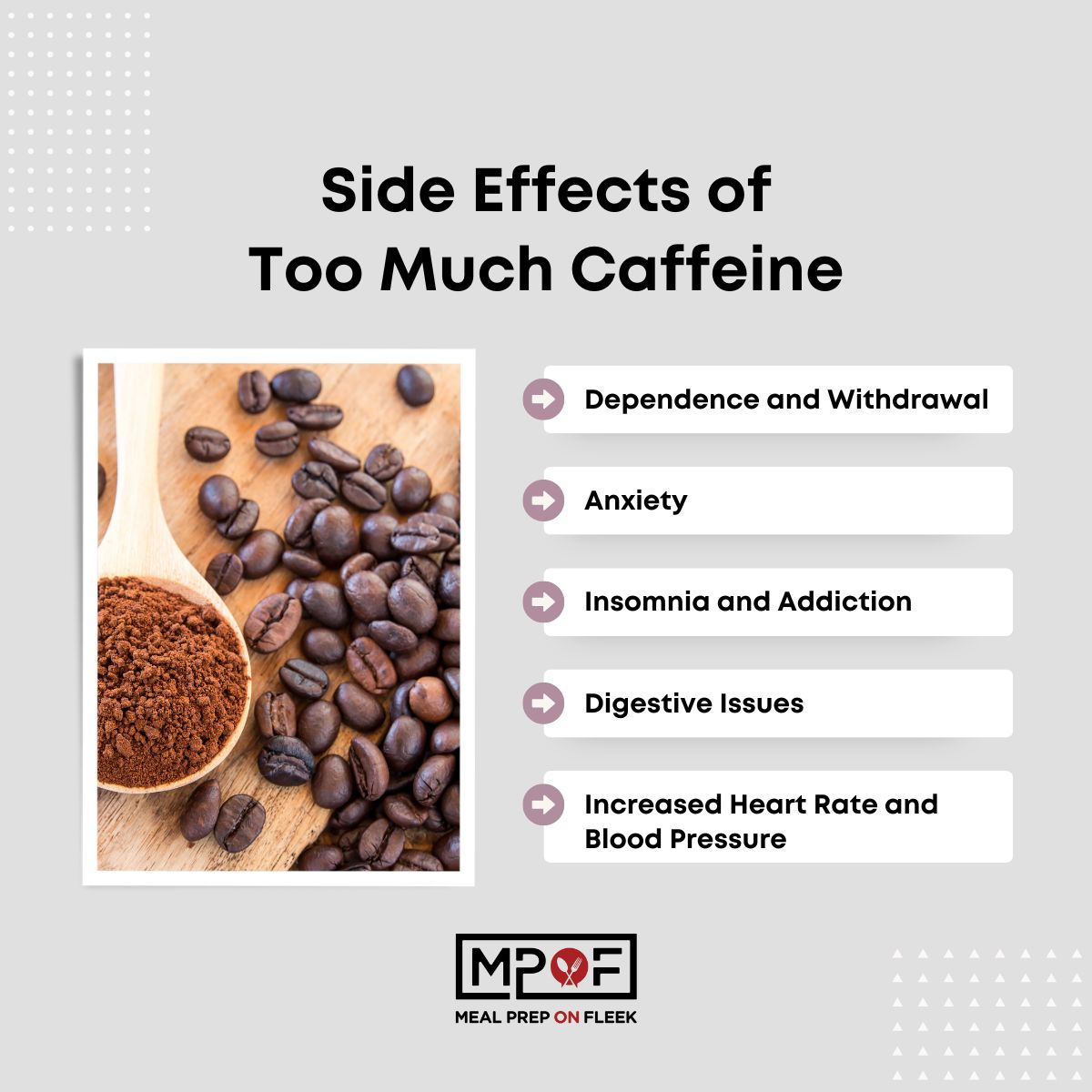
Although caffeine has several possible benefits, more is not always better. Sensitivity to caffeine varies from person to person. Some people can drink several cups without a problem, while others may feel anxious or have trouble sleeping after just one serving.
Too much caffeine can lead to side effects such as:
- jitters
- nervousness
- nausea
- digestive discomfort
- faster heartbeat
- sleep problems
For many healthy adults, moderate caffeine intake is generally considered safe. A daily amount of around 200 to 300 milligrams is often suggested as a reasonable range, though individual tolerance can vary.
Final Thoughts
Caffeine is more complex than most people realize. Beyond helping you feel awake and energized, it may also offer benefits related to brain health, skin health, and overall wellness. It is also found in a much wider range of foods and products than many people expect.
As with most things, moderation matters. When consumed responsibly, caffeine can be a useful part of a healthy routine for many adults.

_

Varun sharma says
Coffee is actually a complex beverage.