
Sweet potatoes are one of those ingredients I almost always recommend keeping on your grocery list. They're affordable, easy to cook, and work in everything from breakfast bowls to sheet pan dinners.
But beyond their naturally sweet flavor, there are some pretty impressive health benefits of sweet potatoes worth knowing about.
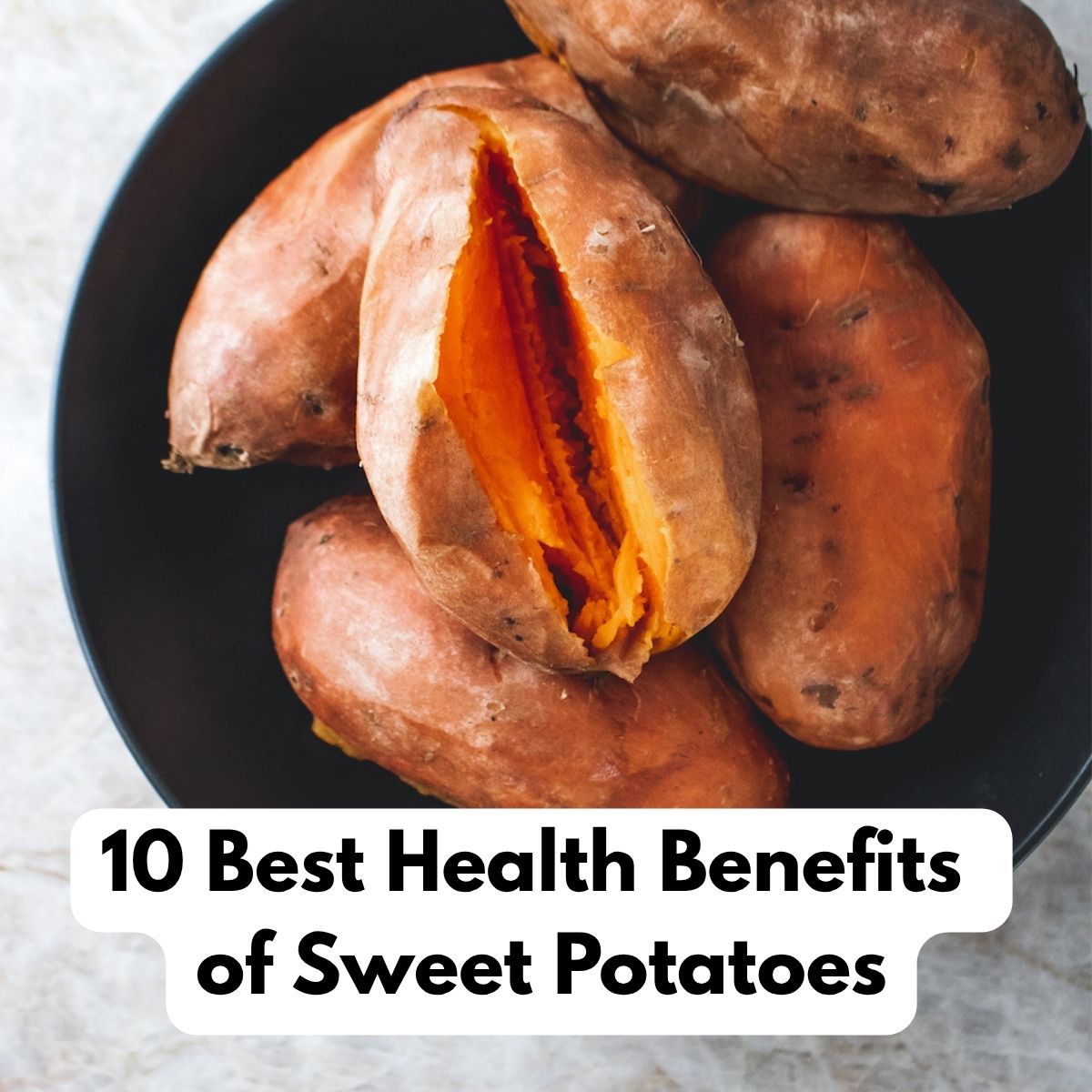
They're packed with nutrients like vitamin A, fiber, potassium, and antioxidants. And despite having "sweet" in their name, they can absolutely fit into a balanced diet.
If you've ever wondered whether sweet potatoes are actually healthier than regular potatoes, or how to work them into your weekly meal prep, I've got you covered.
TL;DR: Sweet potatoes are nutrient-dense root vegetables that support eye health, immune function, digestion, and heart health. They're also an excellent meal prep ingredient because you can roast, bake, mash, or air fry them ahead of time and use them in several meals throughout the week.
- 10 Health Benefits of Sweet Potatoes
- #1 Good For Your Gut Microbiome
- #2 Immunity Builder
- #3 Packed With Cancer Fighting Nutrients
- #4 Linked With Improved Vision
- #5 Regulates Blood Sugar
- #6 Helps Ease Stress and Anxiety
- #7 Boosts Heart Health
- #8 Great Source of Fiber
- #10 Increased fertility
- Are Sweet Potatoes Healthier Than White Potatoes?
- Easy Ways to Add Sweet Potatoes to Your Meal Prep
- How to Store Sweet Potatoes for Meal Prep
- Frequently Asked Questions About Sweet Potatoes
- Is it healthy to eat sweet potatoes every day?
- Are sweet potatoes good for weight loss?
- Can people with diabetes eat sweet potatoes?
- Is it better to eat sweet potatoes with the skin on?
- Can I freeze cooked sweet potatoes?
- What's the best way to reheat sweet potatoes for meal prep?
- Are sweet potatoes better baked or boiled?
- Final Thoughts: Are Sweet Potatoes Worth Adding to Your Meal Prep?

Sweet potatoes are more than just a delicious side dish; they are packed with essential nutrients that offer a range of health benefits. Here's a closer look at why you should add sweet potatoes to your grocery list.
10 Health Benefits of Sweet Potatoes
- Good For Your Gut Microbiome
- Immunity Builder
- Packed with Cancer-Fighting Nutrients
- Linked to Improved Vision
- Helps Regulate Blood Sugar
- Helps Reduce Stress and Anxiety
- Boosts Heart Health
- Great Source of Fiber
- Anti-Inflammatory
- Increased Fertility
(read more about each below)
#1 Good For Your Gut Microbiome
If you're trying to eat more fiber, sweet potatoes are an easy place to start.
A medium baked sweet potato provides nearly 4 grams of fiber, which helps support regular digestion and overall gut health.
Fiber also provides nourishment for beneficial bacteria in your digestive system. Some of the starch in sweet potatoes can act as resistant starch, especially depending on how they're cooked and cooled.
This doesn't mean sweet potatoes can treat digestive disorders, but they can certainly be part of a gut-friendly diet.
Meal Prep Tip: Try roasting sweet potatoes with the skin on whenever possible. Just give them a good scrub before cooking.
Want to learn more about keeping your digestive system healthy? Check out our Beginner's Guide to Gut Health.

#2 Immunity Builder
Sweet potatoes are packed with beta-carotene, which your body converts into vitamin A.
Vitamin A plays an important role in maintaining healthy skin and mucous membranes, which are part of your body's natural defenses.
Sweet potatoes also provide vitamin C, another nutrient involved in normal immune function and tissue repair.
Of course, eating sweet potatoes won't prevent you from getting sick, but regularly including nutrient-rich vegetables in your diet is a smart way to support overall health.
Meal Prep Tip: Pair roasted sweet potatoes with olive oil, avocado, or another source of healthy fat. Fat helps your body absorb beta-carotene more effectively.
#3 Packed With Cancer Fighting Nutrients
One of the biggest nutritional advantages of sweet potatoes is their antioxidant content.
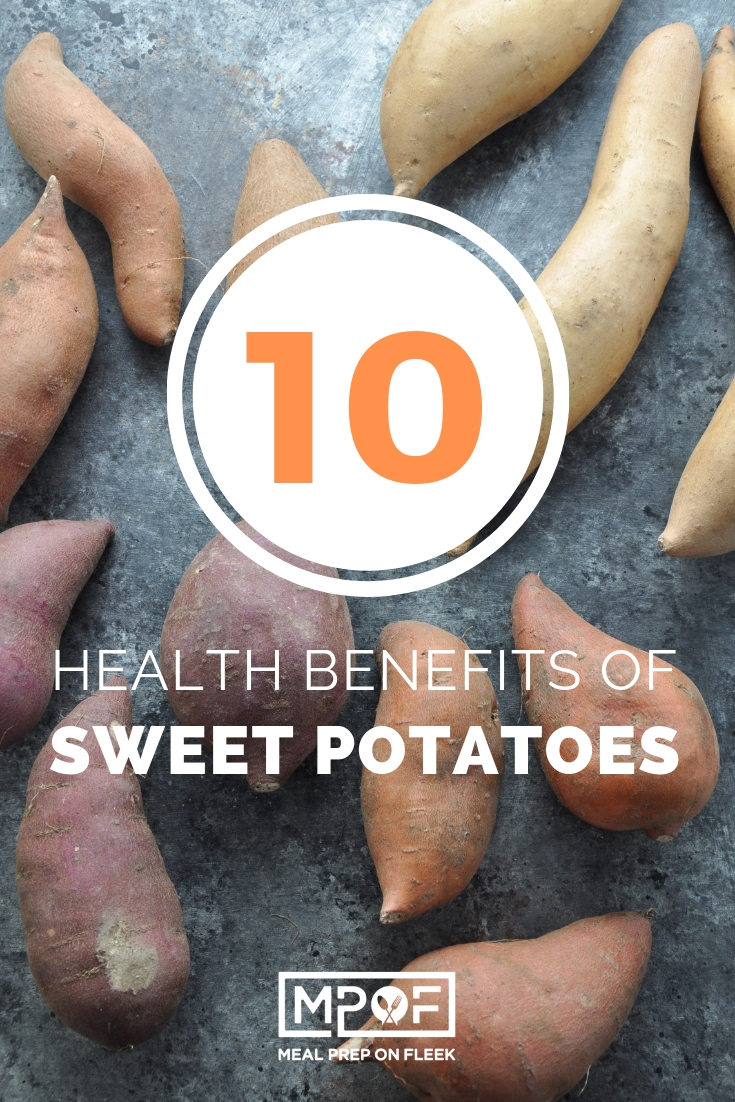
Orange sweet potatoes are especially rich in beta-carotene, while purple sweet potatoes contain anthocyanins, the pigments responsible for their deep purple color.
These plant compounds help protect cells against oxidative damage.
Researchers have studied sweet potato antioxidants and proteins for their potential effects on cellular processes associated with cancer. However, much of this research comes from laboratory or animal studies.
There's not enough evidence to say eating sweet potatoes prevents or treats cancer.
The practical takeaway? Eating a variety of colorful vegetables, including sweet potatoes, is a great way to increase the diversity of beneficial plant compounds in your diet.
#4 Linked With Improved Vision
Remember being told to eat your carrots because they're good for your eyes?
Sweet potatoes deserve some of that attention, too.
Like carrots, orange sweet potatoes contain beta-carotene, which your body converts into vitamin A.
Vitamin A helps maintain normal vision, including your ability to see in low-light conditions.
A lack of vitamin A can lead to vision problems, including night blindness.
While eating sweet potatoes won't give you perfect eyesight, they can help you meet your vitamin A needs.
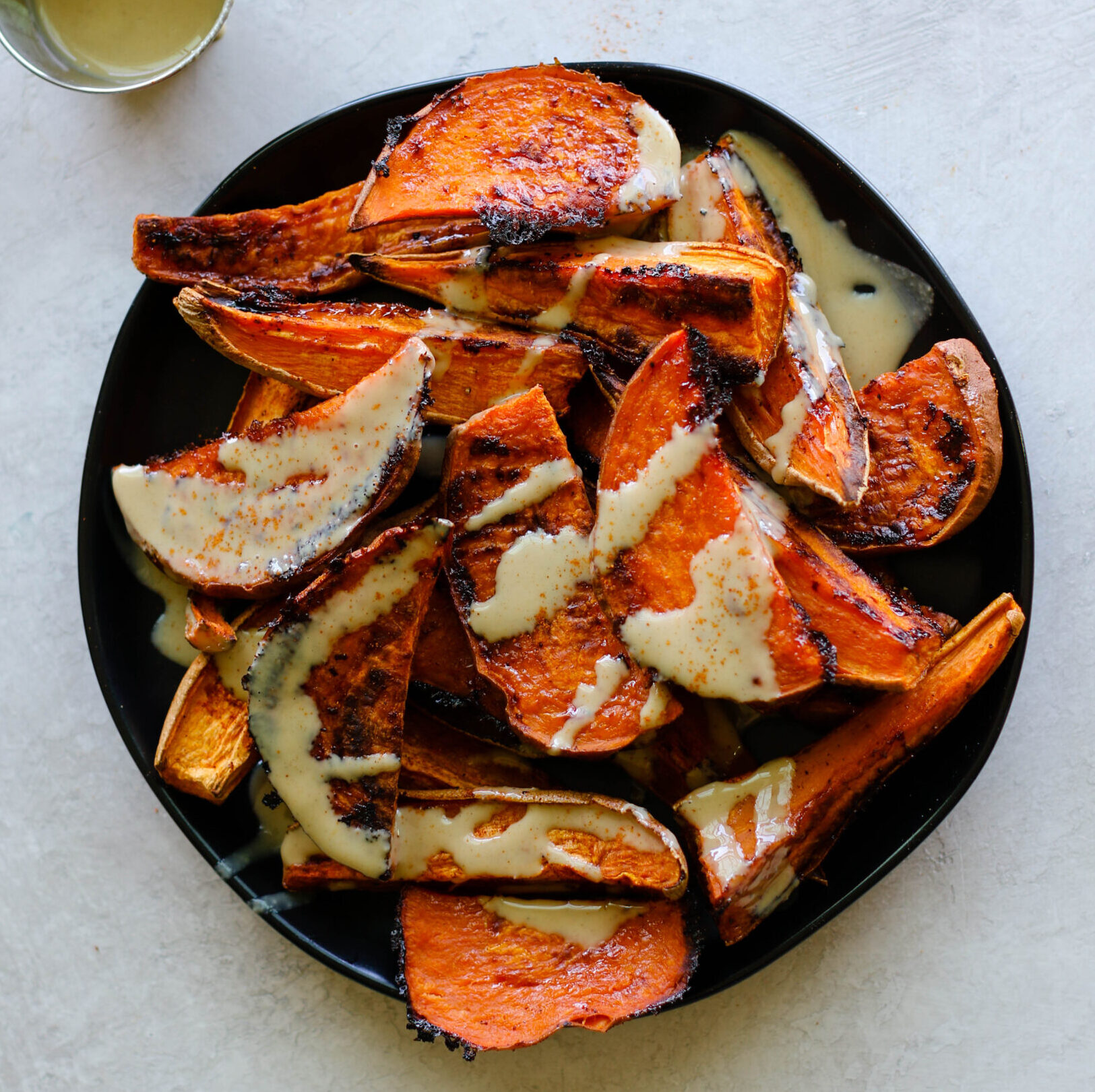
Meal Prep Tip: Roasted sweet potato wedges are an easy alternative to traditional fries. I like them with a little smoked paprika, garlic powder, and olive oil.

#5 Regulates Blood Sugar
Here's a common question: Aren't sweet potatoes too high in sugar?
Not necessarily.
Although sweet potatoes contain naturally occurring sugars and carbohydrates, they also provide fiber and other important nutrients.
Their effect on blood sugar depends on several factors, including portion size, how they're cooked, and what you eat alongside them.
For example, mashed, baked, and boiled sweet potatoes can produce different blood sugar responses.
Sweet potatoes aren't automatically a low-glycemic food, and they don't regulate blood sugar on their own.
However, they can fit into a balanced eating plan, including for many people managing diabetes.
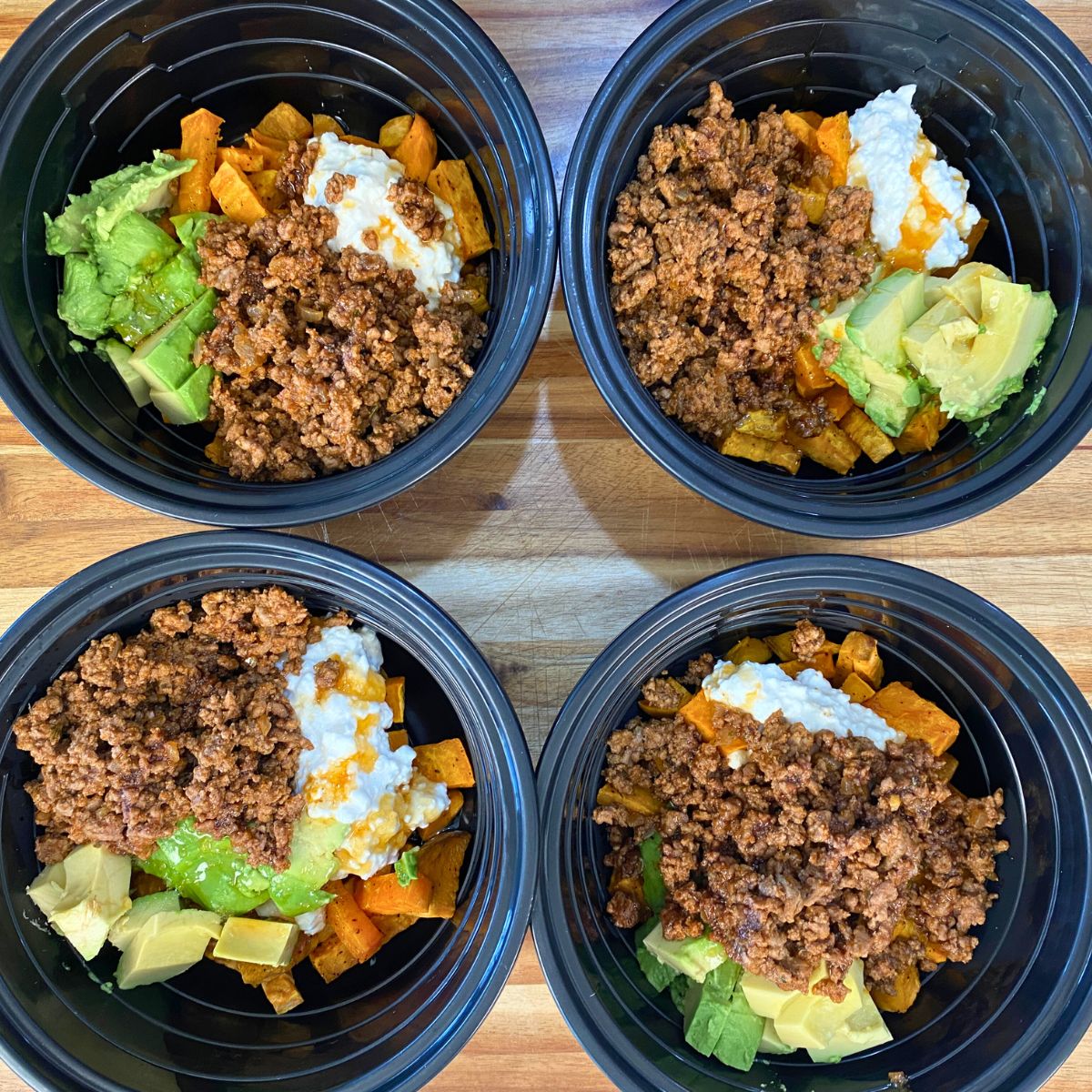
Meal Prep Tip: Pair sweet potatoes with protein, healthy fats, and non-starchy vegetables.
Think grilled chicken, roasted sweet potatoes, and broccoli instead of eating a large serving of sweet potatoes by itself.
That combination makes for a much more balanced meal prep bowl.
#6 Helps Ease Stress and Anxiety
Magnesium is an essential mineral involved in hundreds of processes throughout your body, including normal nerve and muscle function.
Sweet potatoes provide a modest amount of magnesium, making them one useful contributor to your daily intake.
Magnesium is also involved in normal brain function and the body's stress-response systems.
Although magnesium has been studied for its relationship to mood and anxiety, there isn't good evidence that eating sweet potatoes specifically reduces anxiety or treats depression.
I think the more useful approach is to focus on eating a variety of nutrient-dense foods consistently rather than expecting a single ingredient to change how you feel.
For more everyday wellness ideas, check out our 15 Free Ways to Boost Your Mood.
#7 Boosts Heart Health
Sweet potatoes contain potassium, an important mineral that helps regulate fluid balance, nerve signaling, and muscle contraction.
Potassium also plays a role in maintaining healthy blood pressure.
Getting enough potassium through your diet, especially alongside reducing excess sodium, can support cardiovascular health.
Sweet potatoes also provide fiber, another nutrient associated with a heart-healthy eating pattern.
That makes them a useful addition to meals built around vegetables, lean proteins, whole grains, and healthy fats.
Meal Prep Tip: Try our Air Fryer Rosemary Sweet Potato Wedges with Garlic Aioli for an easy side dish you can pair with your favorite protein.

#8 Great Source of Fiber
We already talked about fiber and gut health, but it's worth giving this nutrient a little extra attention.
Most of us could benefit from eating more fiber, and sweet potatoes make that pretty easy.
Fiber supports regular bowel movements and can help you feel satisfied after eating.
This is one reason I like using sweet potatoes as part of meal prep. When you combine them with a protein source and vegetables, you can build a filling lunch without making the recipe complicated.
Meal Prep Tip: Roast a large batch of sweet potatoes and divide them between several lunch containers. Add chicken, turkey, tofu, or black beans for protein.
#9 Anti-inflammatory
Not all sweet potatoes are orange!
Purple varieties contain anthocyanins, naturally occurring compounds also found in foods like blueberries and purple cabbage.
Anthocyanins have antioxidant properties and are being studied for their possible role in supporting healthy inflammatory responses.
It's important to distinguish between promising research and proven health outcomes.
Eating purple sweet potatoes hasn't been shown to treat inflammatory diseases. But including a variety of colorful plant foods is a practical way to diversify the nutrients in your diet.
If you're interested in incorporating more foods associated with a healthy inflammatory response, check out our Top 10 Foods That Fight Inflammation.
#10 Increased fertility
Sweet potatoes contain several nutrients involved in normal reproductive health, including beta-carotene, which the body can convert into vitamin A.
Vitamin A is essential for normal reproductive processes, along with growth and development.
Sweet potatoes also provide small amounts of iron, another nutrient important for overall health, especially during the reproductive years.
However, sweet potatoes aren't a particularly rich source of iron, and there's no strong evidence that eating them increases fertility.
Instead, think of sweet potatoes as one of many nutritious foods that can contribute to a balanced diet.
Are Sweet Potatoes Healthier Than White Potatoes?
This is probably one of the most common questions I hear when people start thinking more seriously about nutrition.
And the answer might surprise you.
Both sweet potatoes and white potatoes can be part of a healthy diet.
Sweet potatoes stand out because of their beta-carotene content, particularly the orange varieties.
White potatoes, on the other hand, are also nutritious and can provide substantial amounts of potassium, vitamin C, and other nutrients.
The biggest difference often comes down to preparation.
A baked potato served with vegetables and a protein source is a very different meal from deep-fried potatoes covered in heavy toppings.
My recommendation? Eat both!
Variety is important, and there's no reason to eliminate white potatoes just because sweet potatoes have earned a reputation as a health food.
Easy Ways to Add Sweet Potatoes to Your Meal Prep
Here's where sweet potatoes really shine.
You can prepare a batch once and use it in several different meals throughout the week.
These are some of my favorite ways to work them into a meal prep routine.
Roasted Sweet Potato Cubes
Cut sweet potatoes into evenly sized cubes, toss with olive oil and seasonings, and roast at 425°F for approximately 25-35 minutes, flipping halfway through.
Use them in chicken bowls, grain bowls, salads, or breakfast scrambles.
Air Fryer Sweet Potato Wedges
Cut into wedges, lightly coat with oil and seasonings, and air fry at 380°F for approximately 15-20 minutes, depending on thickness and your air fryer.
They're great alongside chicken, burgers, or your favorite protein.
Baked Sweet Potatoes
Bake whole sweet potatoes at 400°F for approximately 45-60 minutes, or until they're tender all the way through.
For lunch, I like the idea of topping them with black beans, shredded chicken, or seasoned ground turkey.
Mashed Sweet Potatoes
Boil or roast sweet potatoes until tender, then mash with seasonings and a little olive oil or milk.
They work especially well as a side dish in meal prep containers.
Sweet Potato Chips
For something a little different, try our Baked Sweet Potato Chips with Poke.
It's another tasty way to use sweet potatoes beyond the usual roasted cubes.
How to Store Sweet Potatoes for Meal Prep
Getting your meal prep storage right is just as important as cooking the food.
Here's what I recommend.
Raw sweet potatoes: Store them in a cool, dry, dark, well-ventilated area rather than the refrigerator. Avoid leaving them in sealed plastic bags where moisture can build up.
Cooked sweet potatoes: Refrigerate promptly in airtight containers at 40°F or below. Plan to eat refrigerated leftovers within 3-4 days.
Freezing: Cooked sweet potatoes can be frozen. Mashed sweet potatoes tend to freeze especially well, while roasted cubes may become softer after thawing.
Reheating: Reheat refrigerated sweet potatoes until hot throughout. For leftovers, the food-safety target is 165°F. An oven or air fryer can help roasted sweet potatoes regain some of their texture.
For the best meal prep experience, I recommend keeping sauces and toppings separate until you're ready to eat.
Frequently Asked Questions About Sweet Potatoes
Is it healthy to eat sweet potatoes every day?
For most healthy adults, sweet potatoes can be part of an everyday diet. However, it's still important to eat a variety of vegetables and other foods to meet your nutritional needs.
Are sweet potatoes good for weight loss?
Sweet potatoes can fit into a weight-management eating plan because they provide fiber and nutrients. They're not a weight-loss food on their own, though. Your overall eating pattern and portions matter more than any single ingredient.
Can people with diabetes eat sweet potatoes?
Yes, many people with diabetes can include sweet potatoes in their eating plans. Because they contain carbohydrates, portion sizes, preparation methods, and the rest of the meal matter. Individual blood sugar responses can vary.
Is it better to eat sweet potatoes with the skin on?
The skin provides additional fiber, so keeping it on is a convenient way to get more from your sweet potato. Wash and scrub the surface thoroughly before cooking.
Can I freeze cooked sweet potatoes?
Yes! Cooked sweet potatoes freeze well, particularly when mashed. Store them in freezer-safe containers, and thaw in the refrigerator before reheating.
What's the best way to reheat sweet potatoes for meal prep?
For roasted sweet potatoes, I prefer an oven or air fryer because they can improve the texture. For mashed sweet potatoes, the microwave or stovetop works well. Reheat leftovers to 165°F.
Are sweet potatoes better baked or boiled?
Both cooking methods have advantages. Boiling generally avoids added fat and may produce a different blood sugar response than baking. Baking develops a sweeter flavor and makes sweet potatoes especially convenient for meal prep. Choose the method you enjoy and that fits your nutritional needs.
Final Thoughts: Are Sweet Potatoes Worth Adding to Your Meal Prep?
Absolutely.
Sweet potatoes are affordable, versatile, and packed with nutrients that support your overall health.
They're especially useful if you're trying to add more fiber, colorful vegetables, and variety to your meals.
And from a meal prep standpoint, they're one of the easiest ingredients to work with. Roast a batch on Sunday, and you've got a ready-to-use ingredient for several different lunches and dinners.
The biggest takeaway is that eating healthy doesn't need to be complicated. Sometimes it's as simple as adding a sweet potato to your plate.
Looking for more easy meal prep ideas? Explore our meal prep recipes for simple ways to build nutritious meals throughout the week.

Leave a Reply