
Do you feel like your body keeps pulling you back to the same weight no matter how hard you try? I hear this frustration all the time. Maybe you've lost weight before only to gain it back. Maybe you're eating better, moving more, and still staring at the same number on the scale. Or maybe you're just tired of extreme dieting and wondering why weight loss feels harder than it should.
If that sounds familiar, you're not alone. I've seen how discouraging it can feel when your progress stalls or when the weight you worked so hard to lose starts creeping back. In many cases, this struggle is not just about willpower. Your body has natural tendencies that can make weight loss and long-term maintenance feel much harder than people expect. That's where the idea of a natural weight set point comes in.
I think it's important to understand what your body's natural weight set point is and what influences it. When you understand that, you can make more realistic, lasting changes to your health. In chiropractic care, this matters too. Losing excess weight can help reduce stress and pressure on your spine, joints, and muscles, which can support more effective treatment and better overall comfort.
So the real question is this: can you actually change your body's natural weight set point?
What Is the Natural Weight Set Point?
When I talk about the natural weight set point, I'm referring to the idea that your body tends to settle within a certain weight range. That range looks different for everyone, and it may help explain why some people struggle to lose weight, keep it off, or gain weight in a healthy way.
This can be especially frustrating if you've been through repeated cycles of dieting. You may be able to lose weight temporarily, but then your body seems to respond with more hunger, stronger cravings, lower energy, or slower results. That's often when people start feeling like their body is fighting them every step of the way.
From what we know, your weight set point is influenced by several factors, including:
- genetics
- hormones
- environment
- stress levels
- sleep habits
- physical activity
- long-term eating patterns
Some of these factors are outside your control. Others are shaped by the choices and routines you build over time. I always like to remind people that this is not about finding a quick fix. It's about creating the kind of environment that helps your body feel supported enough to change gradually and sustainably.
Why So Many People Feel Stuck
Before I talk about how to change your weight set point, I think it helps to understand why so many people feel stuck in the first place.
Some people hit a plateau and assume they're doing something wrong. Others regain weight after dieting and start to feel defeated. I also see people struggle after major life changes like stress, pregnancy, aging, injury, hormonal shifts, or long periods of inactivity. Suddenly, the body that used to respond quickly doesn't respond the same way anymore.
That can feel discouraging, but it doesn't mean you've failed. It usually means your body has adapted to your patterns, your routines, and your environment. If you've spent years in a cycle of restriction, regain, high stress, poor sleep, inconsistent meals, or low activity, it makes sense that your body may be slower to respond. In my experience, that's exactly why the solution has to be realistic enough to last.
Changing Your Environment
If you want to influence your body's natural tendencies, I believe one of the best places to start is with your environment.
Most of us fall into familiar routines. Sometimes those routines help us. Sometimes they keep us stuck. The good news is that you do not need to overhaul your life overnight. I've found that small, steady changes are usually the ones that stick.
When it comes to changing your body's natural weight set point, I like to focus on two major areas first: nutrition and exercise.
1. Nutrition
I always come back to nutrition because it plays such a major role in how your body functions. What you eat affects hunger, energy, hormones, how your body stores fuel, and how well it burns calories.
That does not mean I recommend extreme dieting. In fact, one of the biggest problems I see is people trying to force fast results with overly restrictive plans. That approach may work for a short period of time, but it often leads right back to intense hunger, cravings, low energy, and rebound weight gain. If you've ever lost weight and then gained it back, you know exactly how frustrating that cycle can be.
That's why I encourage a more balanced and sustainable way of eating. The right approach may not look exactly the same for everyone, but I often recommend focusing on foods like:
- fruits and vegetables
- whole grains
- healthy fats
- lean proteins
- fiber-rich foods
- plenty of water
Harvard Health recommends eating patterns like the Mediterranean diet because they support overall health while also being realistic enough to maintain long term. This kind of eating pattern may help reduce the risk of chronic conditions like heart disease, stroke, and diabetes while also supporting weight management.
I also think it's important to pay attention to your hunger instead of constantly trying to ignore it. If your body is always underfed, overtired, or thrown off by inconsistent meals, it makes sense that cravings and overeating can become more intense.
One strategy I often recommend is meal prep. When you prepare healthy meals and snacks in advance, you make it much easier to stay consistent during a busy week. You're less likely to reach for whatever is convenient in the moment, and more likely to follow through with the choices you actually want to make.
2. Exercise
Exercise matters just as much as nutrition when it comes to changing your body's natural weight tendencies. I see a lot of people focus heavily on food while neglecting movement, but the two really do work together.
If you want to lose weight, your body needs a reason to burn energy and preserve lean muscle. When people diet without exercising, they often lose muscle along with body fat. That can make long-term progress harder. I always want people to think beyond the scale. Preserving and building muscle helps support strength, function, and metabolic health.
In general, it's recommended that adults get about two hours and thirty minutes of moderate-intensity exercise each week. That can sound overwhelming at first, but it doesn't have to happen all at once.
If you're trying to get more movement into your day, I usually suggest starting with simple changes like:
- waking up 30 minutes earlier for a brisk walk
- exercising in 10-minute blocks throughout the day
- working out with a friend for accountability
- signing up for a class you'll actually enjoy
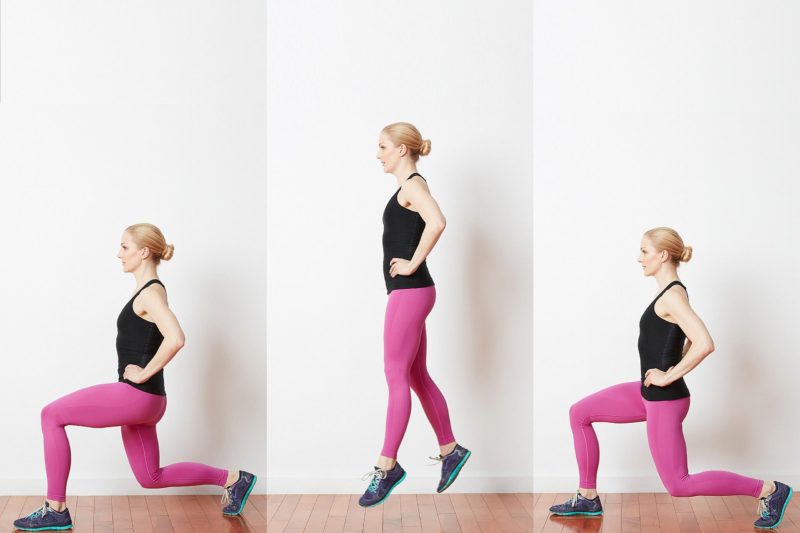
- doing short bodyweight exercises during breaks
- parking farther away when you go to the store
- taking the stairs more often
You do not need a perfect workout plan to get started. I'd rather see you stay consistent with something simple than burn out trying to do too much too soon.
Why Slow Changes Often Work Better
One of the biggest mistakes I see is people trying to change everything at once. I understand the temptation. When you feel uncomfortable in your body or frustrated by slow progress, it's natural to want fast results.
But in my experience, gradual change is usually what leads to better long-term outcomes. Sudden weight loss or gain can make it harder to create lasting change. Slow, steady improvements give your body time to adapt. They also give you time to build habits that feel realistic in everyday life. I've been writing more about this on my Substack.
If you've been stuck in a cycle of restriction and regain, this part really matters. You do not need another extreme reset. You need a strategy that you can actually live with.
The Verdict on Changing Weight Set Point
So, can you change your body's natural weight set point? I believe you can influence it, but not through shortcuts, crash diets, or unrealistic expectations.
What I've found is that the most effective changes usually come from improving the things you can control over time. That means building better eating habits, moving your body consistently, managing stress, getting enough sleep, and creating routines that support your goals instead of working against them.
If you've been struggling with plateaus, regaining weight after dieting, or feeling like your body is resisting your efforts, I want you to know that you're not broken. Your body is responding to its environment, its history, and the patterns it has learned. The good news is that those patterns can change.
When you understand how weight loss, lifestyle habits, and chiropractic care work together, you can make choices that support your overall health in a more lasting way. And when you're ready for guidance, working with a chiropractic professional can help you create a plan that supports both your weight loss goals and your physical well-being.
--
Article courtesy of: Dr. Brent Wells is an experienced chiropractor based out of Alaska. His Better Health Chiropractic and Physical Rehab has been providing multi-disciplinary services to clients since 1998. He is a member of the American Chiropractic Association and the American Academy of Spine Physicians. He continues to dedicate himself to learning more about his profession with regular continuing education.


Leave a Reply