
Dairy-free seems to be everywhere right now, but why would you cut out dairy? And maybe even more importantly, how do you do it without hating the process or feeling like you're missing out?
For some, going dairy-free is non-negotiable due to health issues like lactose intolerance or milk allergies. For others, it's a personal choice tied to skin health, digestion, or weight management. Whatever your reason, transitioning to a dairy-free lifestyle doesn't have to feel restrictive. With the right mindset and meal prep strategy, you'll find plenty of foods you love that love you back.
Medical Reasons to Go Dairy-Free
- Lactose intolerance: When the body doesn't produce enough lactase to break down milk sugar, symptoms like bloating, diarrhea, and nausea can follow.
- Milk allergy: Unlike lactose intolerance, this is an immune reaction that can cause serious issues like wheezing, hives, or even anaphylaxis. If you have an allergy, you must avoid all dairy products.
Dairy-Free by Preference
Even if you don't have a medical reason, reducing or eliminating dairy may:
- Improve skin clarity (thanks to removing hormones sometimes present in cow's milk).
- Support weight management by cutting high-calorie dairy-based desserts.
- Reduce digestive discomfort.
Dairy-free diets typically omit:
- Milk
- Cheese
- Yogurt
- Ice cream
- Sour cream
- Cottage cheese
- Buttermilk
- Many baked goods containing milk or butter
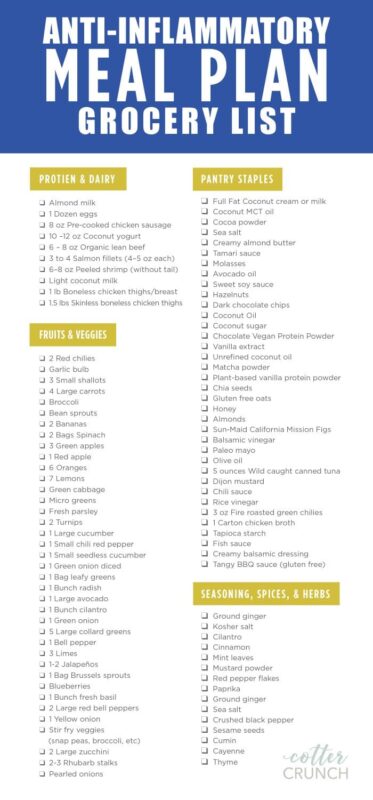
Where to Get Calcium Without Dairy
If you're cutting out dairy, you'll want to make sure you're still hitting your calcium needs:
- Leafy greens: Spinach, kale, broccoli, bok choy, and watercress are excellent choices.
- Fortified foods: Try calcium-enriched orange juice or plant-based milks.
- Nuts & seeds: Almonds, chia seeds, and tahini provide a solid calcium boost.
- Tofu & legumes: Many tofu brands are calcium-set, and chickpeas are another excellent source.
For meal prep inspiration, check out our Whole30 Meal Prep recipes and plant-based keto snack ideas.
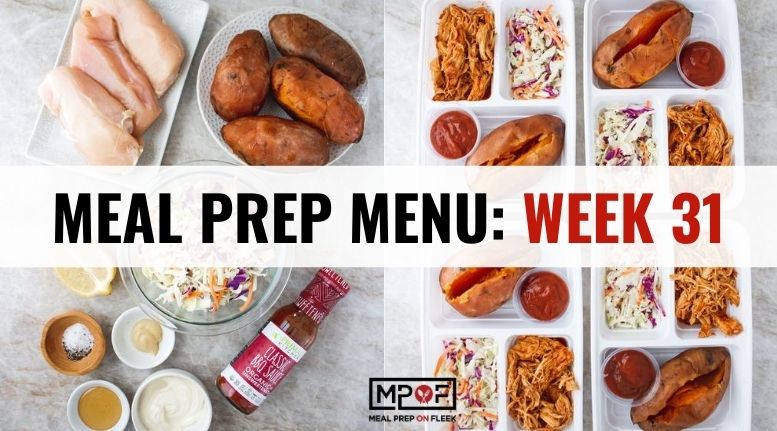
Dairy-Free Swaps That Actually Work
- Nut milks: Almond, cashew, or macadamia milk
- Coconut or rice milk: Great for baking and smoothies
- Goat's milk: Lower in lactose and casein, sometimes tolerated better
- Ghee: Clarified butter with milk solids removed
- Dairy-free cheese & yogurt: Look for brands made from cashews, almonds, or soy
Practical Tips for Going Dairy-Free
- Know your why. Keep your health or lifestyle reason front and center for motivation.
- Focus on what you can eat. Shifting your mindset helps you feel less restricted.
- Prep ahead. Keep dairy-free staples and snacks ready so you're never caught off guard.
- Experiment. Try new recipes like our Vegan Cheesy Spaghetti Squash or Beet Hummus Veggie Dipper Snacks.
How to Store & Reheat Dairy-Free Meals
- Fridge: Store prepped meals in airtight containers for up to 4 days.
- Freezer: Many dairy-free recipes (like casseroles and soups) freeze well for 2-3 months.
- Reheat: Use the stovetop or microwave, but add fresh garnishes (like herbs or avocado) after heating for the best flavor.
FAQs
Will I still get enough protein without dairy?
Yes! Focus on lean meats, fish, eggs, tofu, tempeh, legumes, and seeds.
What's the hardest part of going dairy-free?
For most people, it's cheese. Start experimenting with nut-based cheese alternatives or recipes using nutritional yeast for that cheesy flavor.
Can I do dairy-free and still enjoy dessert?
Absolutely. Try coconut milk ice cream, chia seed pudding, or our Greek Yogurt Cookie Dough Fruit Dip (swap the yogurt for coconut-based).
👉 Ready to make dairy-free eating easier? Save time and stress by using the Workweek Lunch Meal Planner - you'll get customizable weekly plans and grocery lists to keep you consistent.
Dairy Free Meal Prep Recipes:
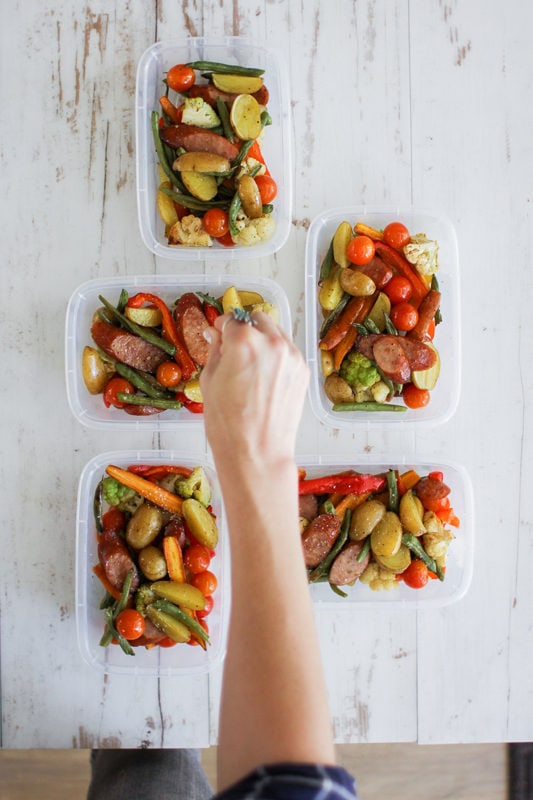
One Pan Whole30 Sausage & Veggie Meal Prep
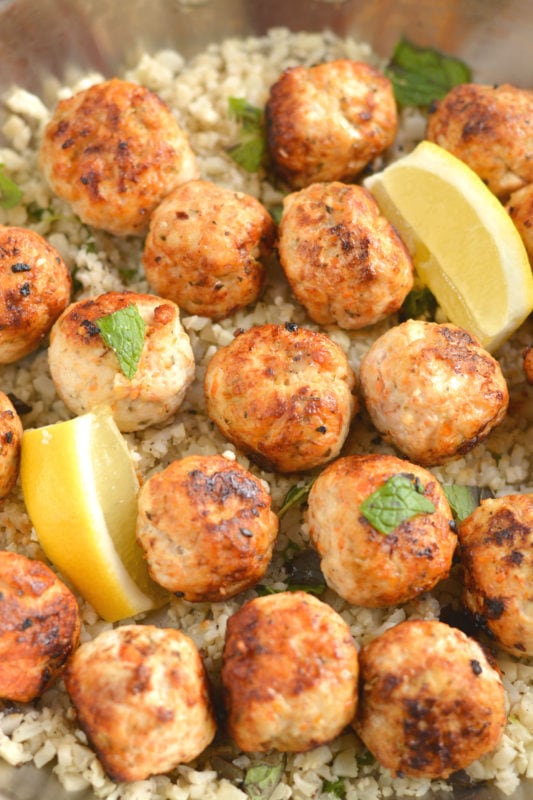
Carrot Meatballs With Mint Cauliflower Rice
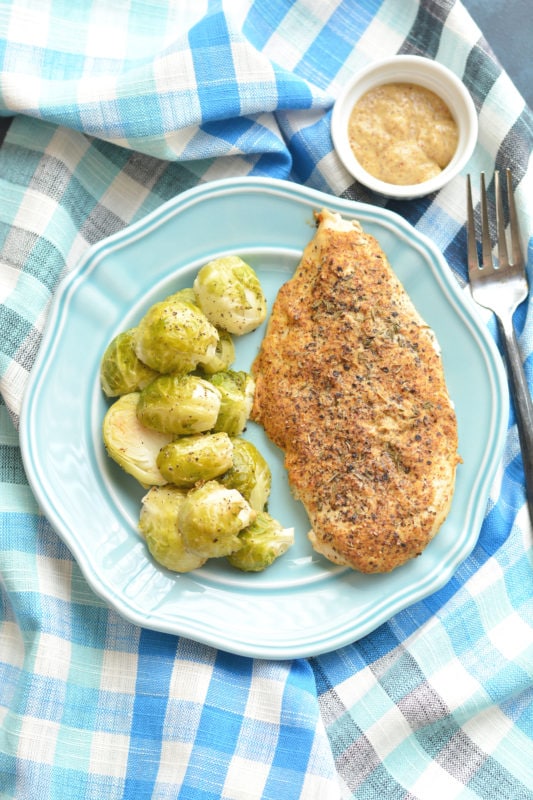
Spicy Thyme Mustard Chicken With Coconut Brussels Sprouts
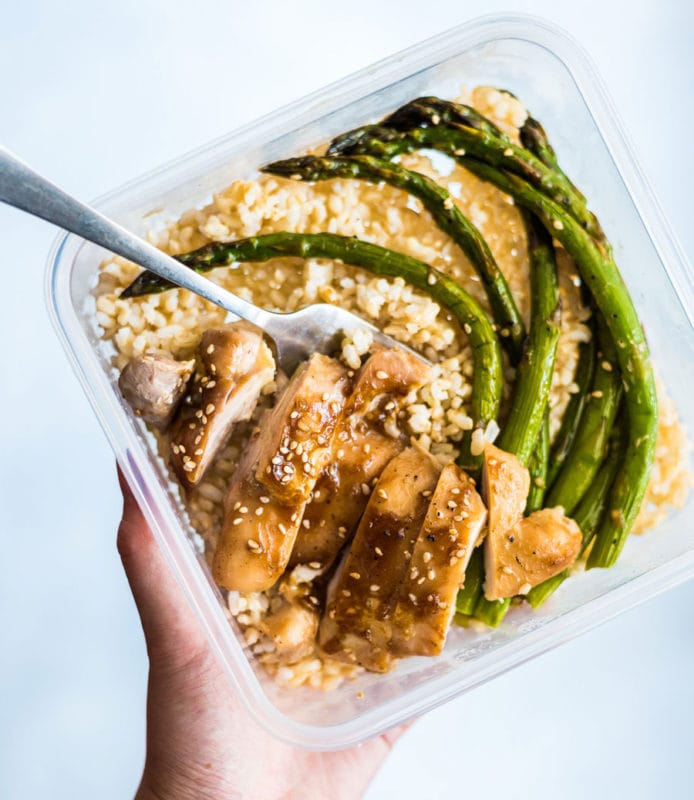
Sheet Pan Chicken & Asparagus Bowl
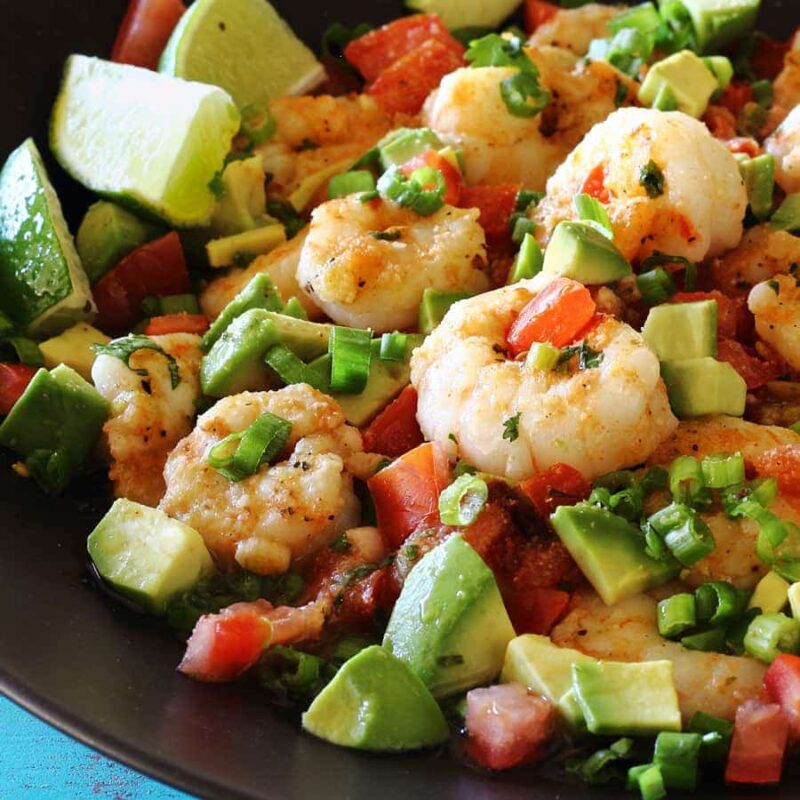
Shrimp Skillet With Tomato & Avocado


Leave a Reply