
When it comes to leaning out, improving fitness, and supporting long-term health, cutting calories can be part of the plan. Calories fuel training and daily life, but a consistent calorie deficit is what drives weight loss over time (1).
That said, how you cut calories matters. Overdoing it can backfire, especially if it leads to low energy, poor workouts, or an approach you can't sustain. Here are practical, evidence-based guidelines for cutting calories the right way.
- 1. Calorie Cutting - The Best Time To Begin
- 2. Slow and Steady - Calorie Reduction
- 3. How Calories Affect Energy Balance?
- 4. Choose Nutrient-Dense, Lower-Calorie Foods
- 5. Health Benefits Of Reducing Sugar Intake
- 6. Foods To Increase Fiber Intake
- 7. Daily Intake Of Protein
- 8. Healthy Calorie Intake
- 9. How To Avoid Snacking
- 10. Decreasing Alcohol Consumption
- 11. Tips On Staying Hydrated
- 12. Monitor Your Intake
- 13. Importance Of Chewing Properly
Fact is when you want to address anything health-related, you have to start with the right thoughts and follow through with the right approach. Let's see how healthy calorie cutting can be achieved!
1. Calorie Cutting - The Best Time To Begin
Give yourself time. A gradual approach is more sustainable than last-minute restriction. People who lose weight at a steady pace (about 1-2 pounds per week) are more likely to keep it off.
2. Slow and Steady - Calorie Reduction
Fast results are usually water weight at first. Sustainable fat loss takes longer, and extreme restriction can increase the odds you'll quit. A good starting point for many people is a modest daily reduction (often ~250-500 calories/day), then reassess after a couple weeks based on progress, hunger, and performance.
3. How Calories Affect Energy Balance?
Energy balance is the relationship between calories in (food/drink) and calories out (your body's needs + activity). A calorie deficit means you're taking in fewer calories than you burn.
Avoid cutting so aggressively that you slide into low energy availability, especially if you train hard. Too little fuel over time is associated with issues like poor training performance and hormonal/bone health disruptions (especially in athletes).
As you partake in calorie reduction, you should avoid a severe negative balance as this is associated with unfavorable symptoms. A severe negative energy balance causes:
- Brain fog
- Moodiness
- A decrease in bone mass
- A reduction in hormone distribution
- Poor physical performance
4. Choose Nutrient-Dense, Lower-Calorie Foods
The foods you consume while cutting calories should be low in calories but rich in nutrients the body needs. Nutrient-rich foods are low in sugar and bad fats making them the perfect supplement for all the extra calories you are not consuming. They include foods such as:
- Fish, poultry, meat, and beans are great sources of proteins.
- Fruits and vegetables, especially those organically grown and free of pesticides. They are packed with vitamins and minerals.
- Grains for fiber and carbohydrates.
5. Health Benefits Of Reducing Sugar Intake
If you aren't training for an upcoming event, a decrease in sugar will further help you in cutting calories. Yes, sugar gives bursts of energy when consumed. But we've all heard of the dreaded sugar crash, right? A reduction in sugar actually allows your body to:
- Be energized throughout the day and not just at sugar moments.
- Reduce mood swings, inflammation, type 2 diabetes, and digestive issues.
- Prevent obesity.
- Have clearer skin.
6. Foods To Increase Fiber Intake
Fiber helps with fullness and supports digestive health. A common guideline is about 14 grams of fiber per 1,000 calories.
High-fiber options include:
- Berries
- Legumes (beans, lentils)
- Whole grains (oats, brown rice)
- Fruits and vegetables
7. Daily Intake Of Protein
Have small servings of protein throughout out the day instead of one large serving for lunch. Almonds, pumpkin seeds, quinoa, oats, and broccoli are all delicious sources of protein to snack on during the day. Here are 18 High-Protein Meal Prep Recipes to give you new inspo
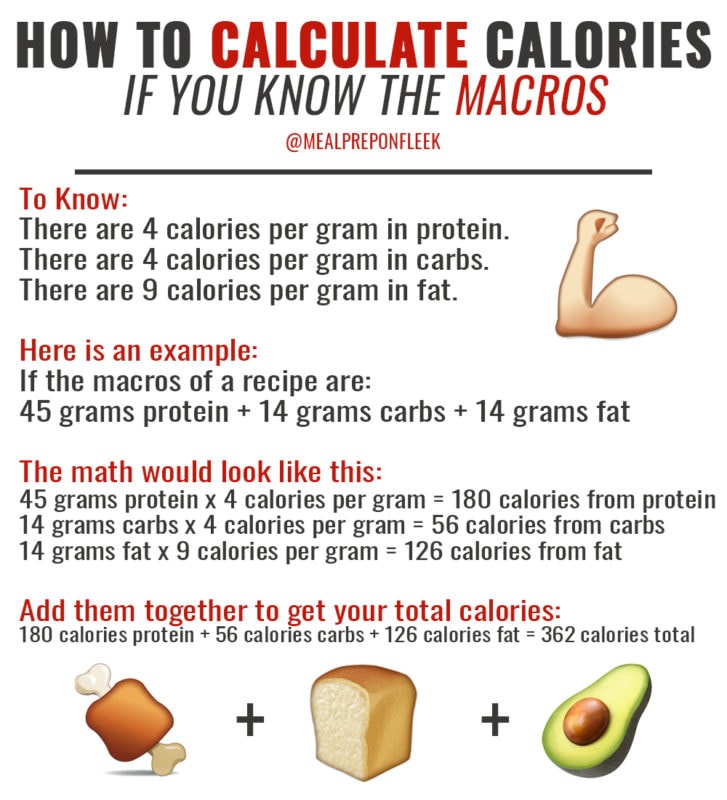
8. Healthy Calorie Intake
When you do have to exercise and train for events, remember to increase your calorie intake before, during and after. This is to help you in maintaining your energy balance. Failure to take in the extra calories will result in poor performance. You have to put in a bit extra to get the extra energy needed to perform. Figure out your optimal calorie intake and meals HERE
9. How To Avoid Snacking
A quick snack always seems to provide such useful hunger relief, right? Most times we feel a persistent urge to snack its because we've missed meals or haven't eaten right for the day. You can avoid excessive snacking by:
- Drinking fewer calories
- Not missing meals.
- Carefully organize your portions
- Eating high nutrient foods which leave you feeling satisfied.
10. Decreasing Alcohol Consumption
Alcohol is rich in calories but it does not leave you with that sated feeling. If you are cutting calories, alcohol consumption must decrease also or else, your calorie levels will rapidly increase.
11. Tips On Staying Hydrated
Our body needs water to function efficiently. There are no two ways about this. Therefore, ensure that you stay hydrated while cutting calories. You may:
- Guess what!? The more water you drink, when feeling 'hungry', the fewer calories you consume.
- Check urine color to know if your body could do with some water even if you don't 'feel' thirsty.
- You can also get water from your fruits and vegetables like watermelon, cucumber, and strawberries.
Read more about Dehydration and Tips to Avoid it here
12. Monitor Your Intake
The power is in your hands! No one can do it for you. Take a closer look at what you eat while cutting calories. Be realistic about what you wish to achieve. Habits won't change overnight but with time the patterns can be broken. Customize your meals appropriately and celebrate the small victories cause they add up.
13. Importance Of Chewing Properly
You're already cutting calories, ensure you get the maximum nutrients and minerals from your meals. Help your body digest the food you eat by chewing your food properly before you swallow. Doing so also helps nutrients to get extracted at a faster rate. So chew slowly and crunch what you munch before you swallow!
Which one of our guidelines did you find most beneficial to you? Let us know in the comments section.

Leave a Reply