
TL;DR: High‑quality protein keeps you fuller, supports muscle, and helps stabilize energy. Aim for 25-40 grams of protein at each meal and include a protein source in every snack. Use a mix of animal and plant proteins, store your meal prep safely, and reheat to 165°F for best texture and food safety.
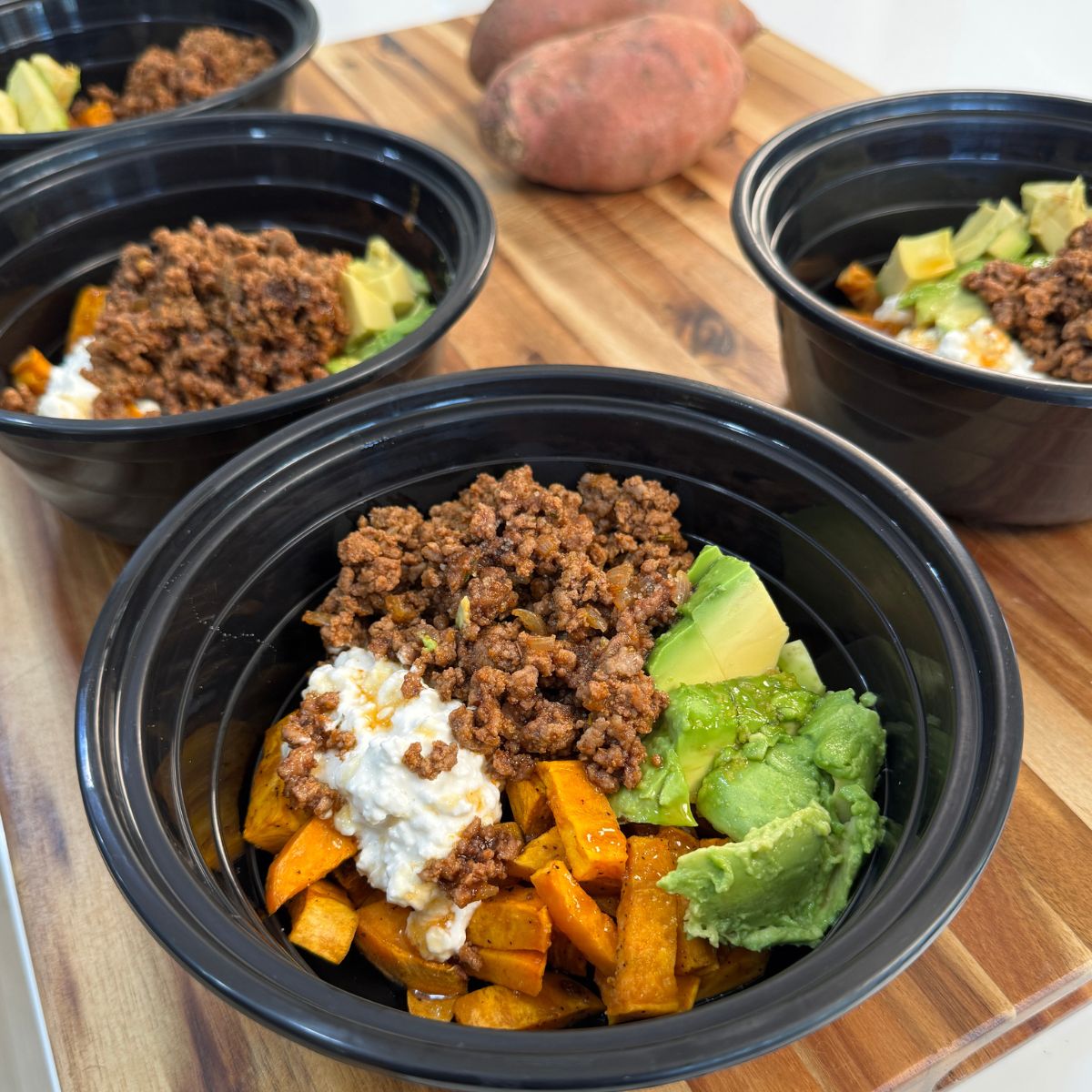
When I build my weekly high‑protein meal prep, I'm not just chasing numbers, I'm planning meals that keep me full, energized, and ready to move. Protein supports muscle repair, helps maintain a healthy body composition, and pairs with smart carbs and fats to keep blood sugar steadier between meals. Strong is sexy, and smart prep makes it sustainable.
This updated guide pulls together the best protein sources (including budget‑friendly plant options), portion targets, and storage/reheating tips so you can hit your goals with less stress.
Explore our High Protein Recipes for easy, tasty ideas to plug into your plan.
Why Protein Matters
- Supports and maintains lean muscle, especially important as we age and stay active.
- Boosts satiety so meals stick with you longer (great for appetite and energy management).
- Works best when spread across the day. Every meal and snack gets a protein anchor.
How Much Protein Do You Need?
- A simple starting point for healthy adults is 0.8 g protein per kilogram of body weight per day (about 0.36 g per pound). Many active adults and older adults do better with 1.0-1.2 g/kg, especially alongside strength training.
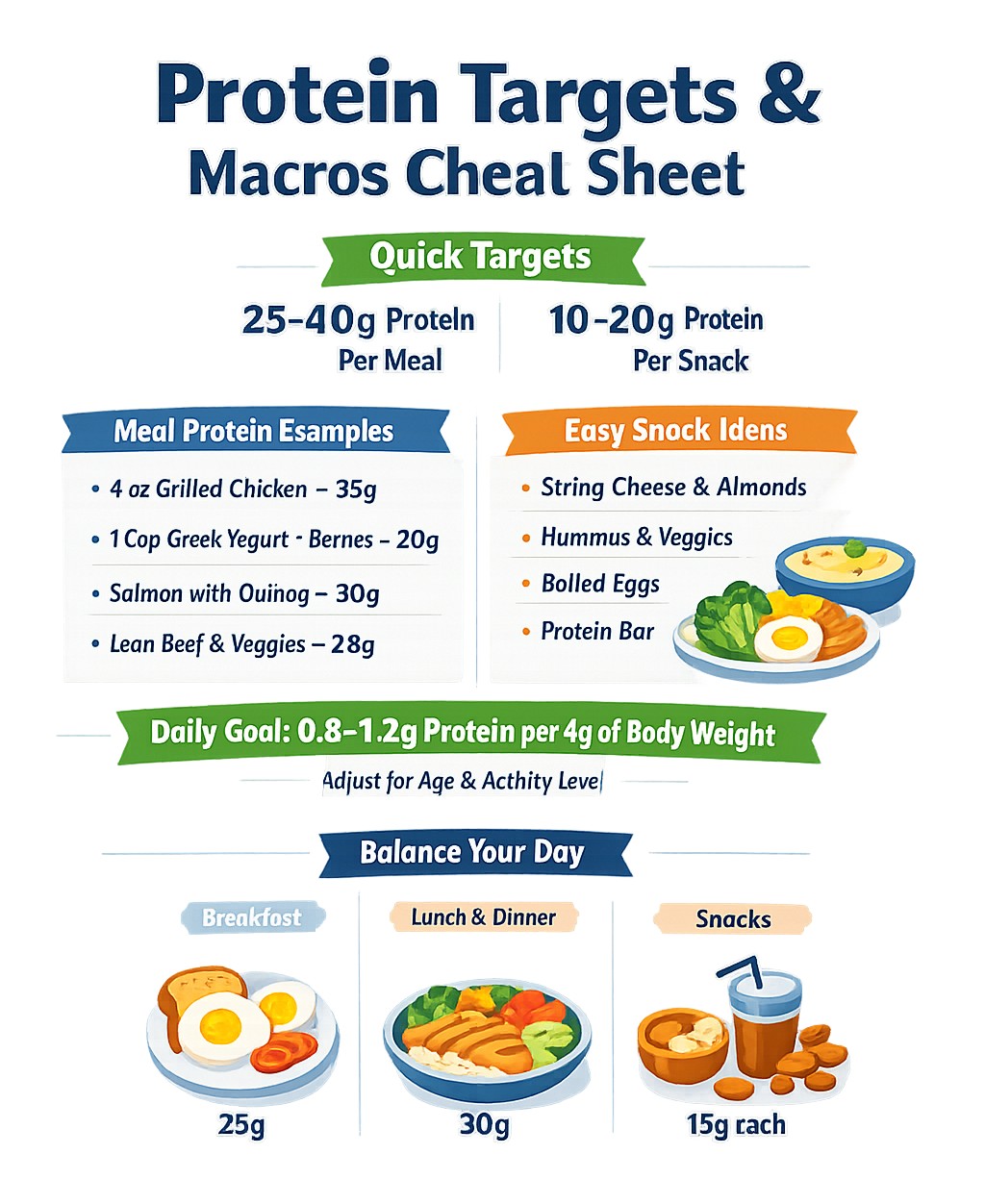
- Practical target: 25-40 g protein per meal + 10-20 g per snack. This distribution supports muscle protein synthesis throughout the day.
Quick math: 150‑lb person (68 kg)
- • Conservative: 68 kg × 0.8 g = ~55 g/day
- • Active/older‑adult range: 68 kg × 1.0-1.2 g = ~68-82 g/day
If you have a medical condition (like kidney disease), check with your healthcare provider for personalized guidance. Use our Macro Calculator to tailor protein to your goals.
Related: Top 3 Protein Powder Reviews
Best Protein Sources for Meal Prep
Aim for variety... mix animal and plant proteins to cover nutrients, flavor, and budgets.
Dairy & Eggs
- Greek yogurt (nonfat or low‑fat), kefir, cottage cheese, ricotta
- Eggs / liquid egg whites for quick scrambles, frittatas, muffins
Seafood
- Fatty fish rich in omega‑3s: salmon, trout, sardines, mackerel, herring
- Lean options: cod, shrimp, light tuna, tilapia
- Tip: Plan for 2 servings of fish per week and vary species for nutrients and sustainability.
Poultry & Meat
- Skinless chicken or turkey breast, turkey tenderloin
- Lean pork tenderloin
- Lean beef (round, sirloin, tenderloin); choose 95%+ lean ground options
- Keep processed meats (bacon, deli meats, sausage, hot dogs) to an occasional minimum
Vegetarian Proteins (Budget‑Friendly + High‑Fiber)
- Beans & legumes: black beans, chickpeas, lentils, kidney beans, black‑eyed peas
- Tofu, tempeh, edamame
- High‑protein grains & seeds: quinoa, farro, hemp hearts
Smart combo: Pair plant proteins with whole‑grain carbs and healthy fats (e.g., lentils + brown rice + tahini) for complete, satisfying meals.
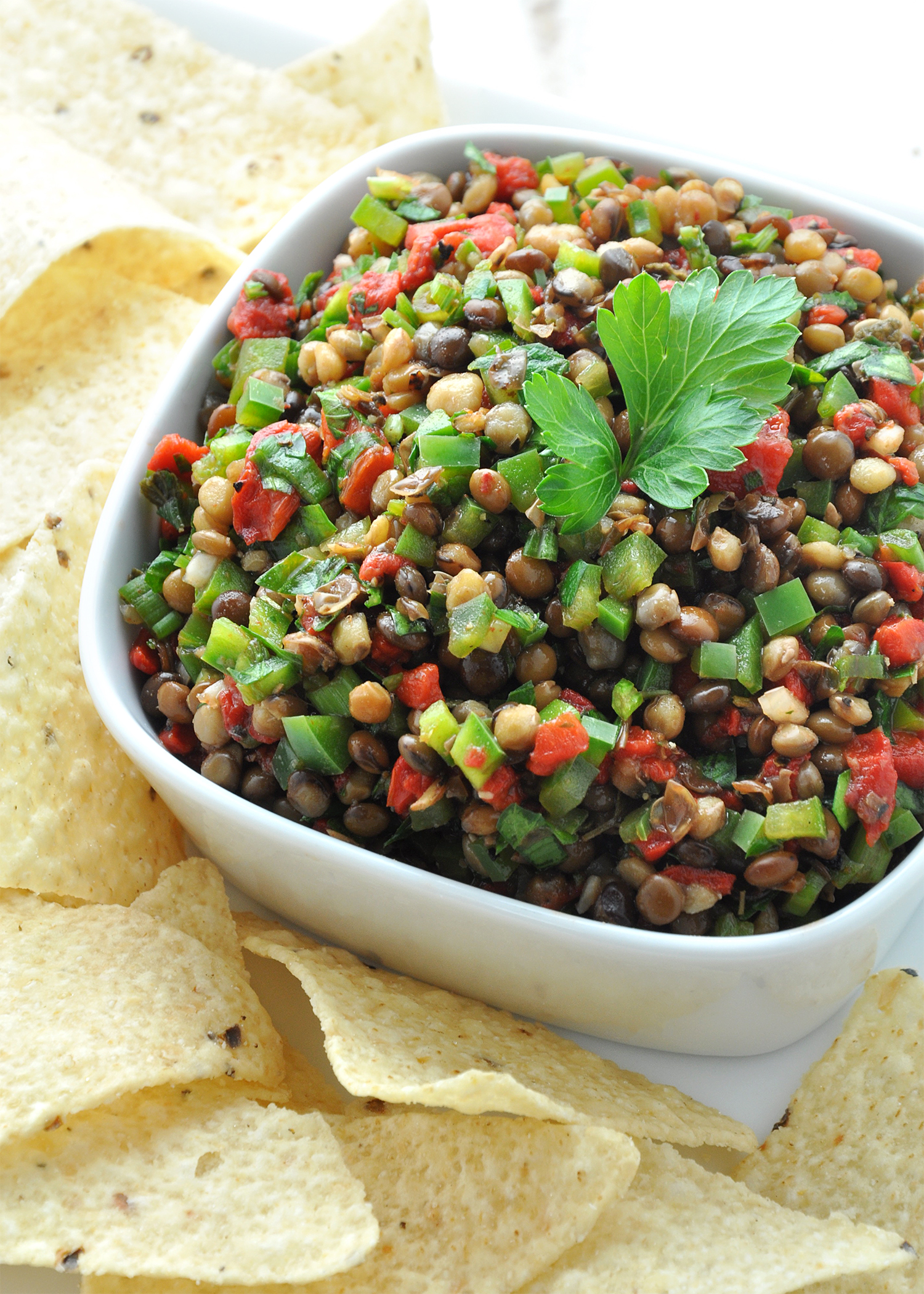
10 Easy Ways To Get More Protein
- Go Greek (yogurt + kefir): Choose plain Greek yogurt or skyr-15-20 g per 5-6 oz. Build parfaits, dips, and smoothie bowls.
- Go fish (2x/week): Cooked portions deliver ~20-25 g per 3 oz. Rotate salmon, trout, tuna, shrimp for variety and omega‑3s.
- Super soy: Tofu (1 cup 16-20 g), edamame (½ cup 8-11 g), soy milk (1 cup 7-10 g). Bake tofu, add edamame to bowls, blend soy milk into oats/smoothies.
- Eat seeds & nutty boosters: Hemp hearts (3 tablespoon ~10 g), pumpkin seeds (1 oz 8-9 g), chia (2 tablespoon 4-5 g). Sprinkle on salads, yogurt, and grain bowls.
- Say cheese (and cottage cheese): Cottage cheese (1 cup 24-28 g), Parmesan (1 oz ~10 g), part‑skim mozzarella (1 oz ~6-7 g). Whip into dips, blend into pancakes, or stuff in peppers.
- Love lentils & beans: Lentils (1 cup cooked ~18 g); chickpeas/black beans ~14-15 g per cup. Batch‑cook and freeze in 1‑cup portions.
- Try quinoa & high‑protein grains: Quinoa (1 cup cooked ~8 g). Pair with beans or edamame to hit 25-30 g fast.
- Power up veg like artichokes: Artichoke hearts (½ cup ~2-4 g) add fiber and texture-great in salads, pasta, and pizza bowls.
- Keep a smart protein‑bar stash: Look for ≥15 g protein, ≤8-10 g added sugar, and ingredients you recognize. Use as a bridge snack, not a meal replacement.
- Use protein shakes intentionally: Whey/casein/soy/pea blends usually deliver 20-30 g per scoop. Ideal for post‑workout or on busy days; mix with milk for extra protein.
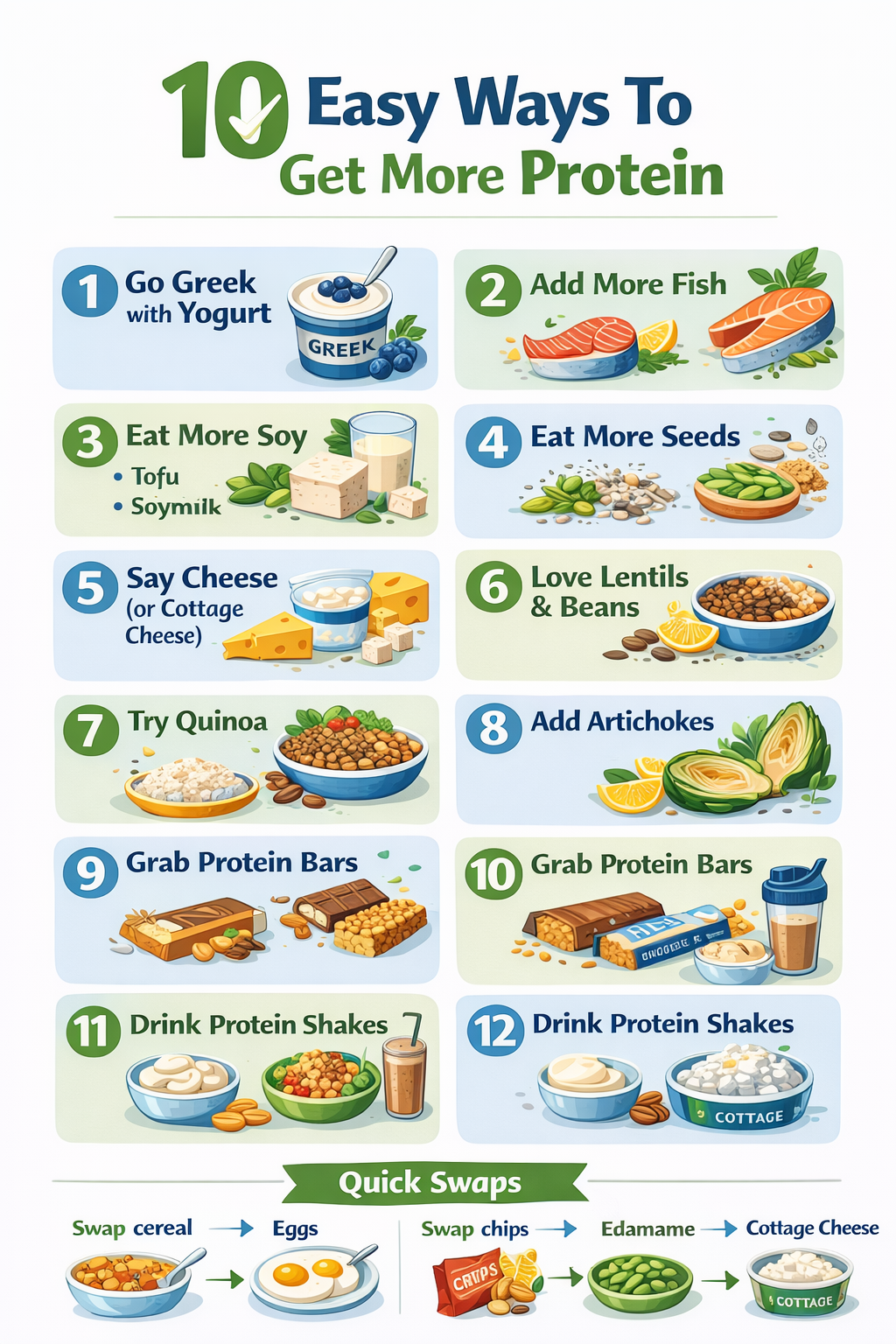
Quick swaps that add up
- Add egg whites to scrambles and oats (+5-7 g per ¼ cup liquid whites)
- Swap milk for water in oats/coffee (+8-13 g per cup, depending on type)
- Stir collagen or whey/plant protein into yogurt, soups, and sauces (+10-20 g)
- Top bowls with edamame, hemp hearts, or cottage cheese for an instant bump
Sample High‑Protein Meal Prep Mix & Match
Use these plug‑and‑play ideas to hit 25-40 g per meal. Portions are estimates-adjust to your macros.
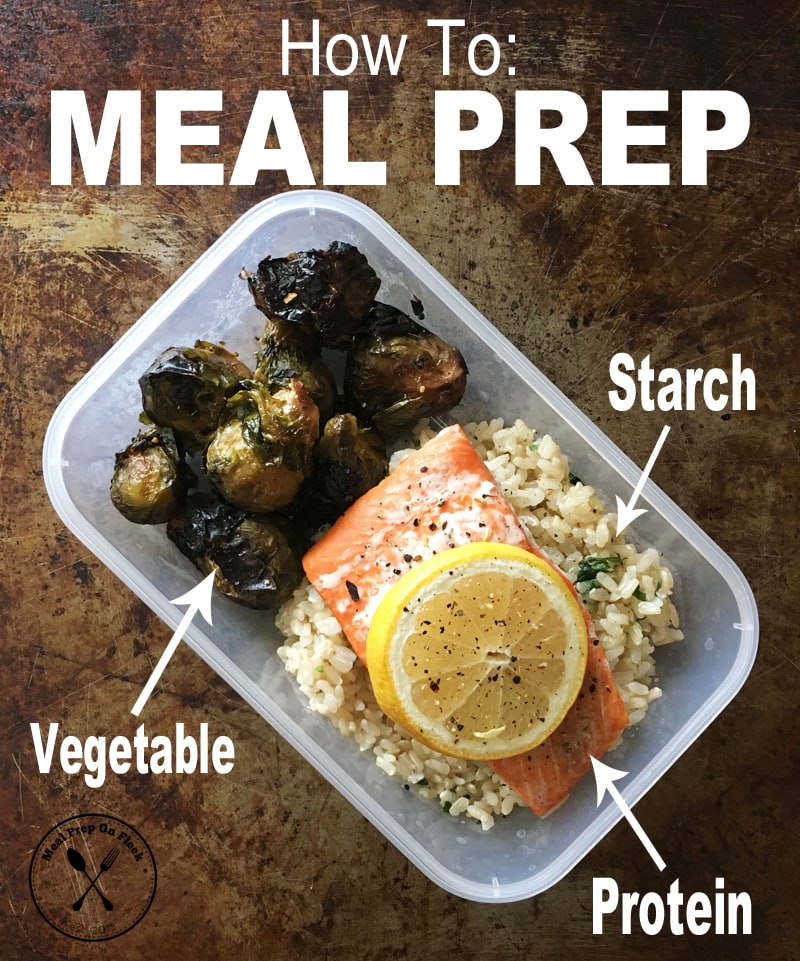
- Salmon + quinoa bowl: 4-5 oz roasted salmon (~24-30 g) + 1 cup cooked quinoa (~8 g) + veggies + yogurt‑dill sauce
- Chicken burrito bowls: 5 oz grilled chicken (~35 g) + brown rice + black beans (~7 g per ½ cup) + pico + avocado
- Greek yogurt parfait: 1½ cups Greek yogurt (~30 g) + berries + high‑protein granola
- Tofu stir‑fry: 6 oz extra‑firm tofu (~18-20 g) + edamame (~8 g per ½ cup) + mixed veg over brown rice
- Lentil & tuna salad: 1 cup cooked lentils (~18 g) + 3 oz light tuna (~20 g) + crunchy veg + olive‑lemon vinaigrette
Browse Dinner Meal Prep Recipes and Lunch Meal Prep Recipes to build your weekly plan.
How to Store This Meal Prep
Fridge (3-4 days): Portion meals into airtight containers within 2 hours of cooking. Keep sauces on the side to maintain texture. Dairy‑based and seafood meals do best toward the front of the week.
Freezer (2-3 months): Freeze cooked meats, poultry, and many bean‑based dishes. Cool completely, portion, label, and freeze flat. Avoid freezing high‑water fresh veggies (cucumbers, tomatoes) and delicate greens.
Thawing: Overnight in the fridge is best. For quick thawing, use the microwave on defrost and then reheat immediately.
Best Way to Reheat
- Microwave: Cover and reheat on medium power in short bursts, stirring once, until the center reaches 165°F.
- Oven: 300-325°F, covered, with a splash of broth or water until heated through.
- Skillet/air fryer: Great for restoring crispness to chicken, tofu, and roasted veggies; add a little oil or sauce.
Helpful Tips & Swaps
- Distribute protein: Aim for 25-40 g at each main meal vs. one giant serving at dinner.
- Lean first, then flavor: Choose lean cuts; add flavor with marinades, spice rubs, citrus, herbs, and salsas.
- Seafood rotation: Alternate fatty and lean fish; choose lower‑mercury species for frequent use.
- Plant‑forward wins: Beans + grains + seeds deliver protein + fiber for budget‑friendly satiety.
- Minimize processed meats: Opt for fresh, minimally processed proteins most of the week.
Protein Targets & Macros Cheat Sheet
- Snack targets: 10-20 g protein (e.g., Greek yogurt cup, cottage cheese, jerky + fruit, hummus + edamame)
- Breakfast ideas: Egg white + veggie scramble; Greek yogurt bowls; protein oats; tofu scramble
- Convenience proteins: Rotisserie chicken (skin removed), canned tuna/salmon, pre‑cooked lentils, baked tofu
Use our Meal Planning Guide and Recipe Index to map 3-4 proteins across the week.
FAQs
No... most people can reach their target with whole foods. A quality protein powder can help if you're short on time or appetite.
Not necessarily. Start with the ranges above and prioritize balanced meals with veggies, whole‑grain carbs, and healthy fats.
Yes. Portion into flat freezer bags with some cooking liquid; thaw overnight or microwave and add to bowls or soups.
Two servings per week is a solid baseline; choose a variety of species and cooking methods.
Occasional use is your call, but base most of your week on fresh, minimally processed proteins.
When I prep protein with intention, spreading it across meals, mixing animal and plant sources, and storing it well... I feel the difference in energy and recovery. Build your next meal prep around two to four protein anchors and plug them into bowls, salads, tacos, and stir‑fries for easy wins all week.
If you love this guide, check out the Workweek Lunch Meal Planner to make healthy meal prep simple and stress‑free all week long.

Leave a Reply