TL;DR: Learning how to read a nutrition label does not have to feel like decoding a science textbook. I start with serving size, scan calories, protein, fiber, added sugar, sodium, and ingredients, then ask one simple question: "Does this food help me build the kind of meal prep I actually want to eat?"
Nutrition labels are tools, not rules. The goal is not perfection. The goal is making better grocery decisions with less stress.
Do you really know what you're eating?
I didn't, at least not in the beginning. I'd walk through the grocery store, grab a package of bacon, granola, yogurt, or sauce, flip it over, and stare at that label like it was written in another language.
If you've ever been there too, don't worry. I'm going to break down how I read a nutrition label now, what matters, what I pay less attention to, and how I actually use that info to make better meal prep choices without turning grocery shopping into a full-time job.
If you're working on building easier routines around food, this pairs well with our Meal Prep Tips and Meal Planning Guide.
- First Things First: What Is on a Nutrition Label?
- Why Nutrition Labels Feel So Confusing
- What I Look for on Nutrition Labels
- Step 1: Start With Serving Size
- Step 2: Look at Calories Without Obsessing
- Step 3: Check Protein
- Step 4: Scan Fiber
- Step 5: Watch Added Sugars
- Step 6: Check Sodium
- Step 7: Look at Fats
- Step 8: Read the Ingredient List
- Step 9: Don't Get Distracted by Front-of-Package Claims
- Step 10: Use the Label Based on the Meal You're Building
- Common Labeling Terms (and What They Really Mean)
- In Summary: How I Use Nutrition Labels Now
- Bonus: Want to Eat Better Without Obsessing?
- 10 Ways to Get To Know Your Food Better:
- 1. Look for USDA Organic When That Matters to You
- 2. Know What Produce Stickers Can and Cannot Tell You
- 3. Learn Which GMO Crops Are Commonly Available
- 4. Eat More Fruits and Vegetables Either Way
- 5. Check Packaged Food Ingredients
- 6. Understand Meat, Dairy, and Eggs
- 7. Know Your Seafood Source
- 8. Use Frozen Fruits and Vegetables
- 9. Stock Up on Simple Staples
- 10. Read Labels Without Letting Them Run Your Life
First Things First: What Is on a Nutrition Label?
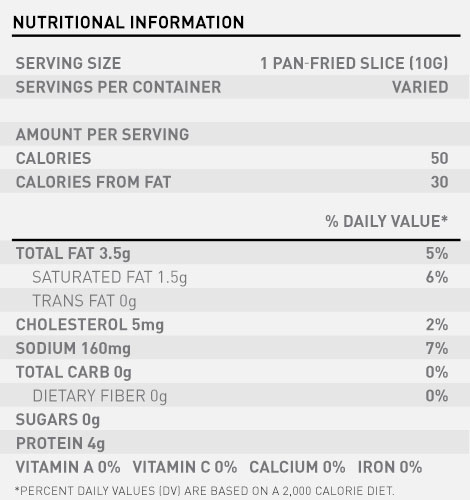
Most packaged foods include a Nutrition Facts label that helps you compare products and understand what you're getting per serving. The FDA notes that the label includes information like serving size, calories, fat, cholesterol, sodium, carbohydrates, fiber, sugars, added sugars, protein, and certain vitamins and minerals.
That sounds like a lot because it is.
But I don't read every line with the same level of attention. I use the label to answer a few practical questions:
- How much am I actually eating?
- Does this fit the meal I'm building?
- Is it giving me protein, fiber, or nutrients?
- Is it sneaking in a lot of sodium or added sugar?
- Do I recognize what's in it?
That's it. No panic. No spreadsheet required.
Why Nutrition Labels Feel So Confusing
Nutrition labels are packed with numbers, percentages, claims, and ingredients. Then the front of the package adds another layer with phrases like "natural," "low-fat," "high-protein," "keto-friendly," or "made with whole grains."
Here's what I've learned: the front of the package is marketing. The back of the package is where the useful information lives.
That does not mean every packaged food is bad. I use plenty of packaged foods in meal prep because they save time, reduce decision fatigue, and make healthy eating realistic during a busy week.
But I want to know what I'm buying.
What I Look for on Nutrition Labels
Step 1: Start With Serving Size
This is the first thing I check every time.
Serving size tells you what all the numbers on the label are based on. The FDA recommends starting with the serving size and the number of servings per container because the nutrition information is usually based on one serving, not always the whole package.
This matters because some packages look like one serving but are actually two or three.
For example, if a granola label says:
- 220 calories per serving
- 10 grams of sugar
- 3 servings per bag
And I eat the whole bag, I'm not eating 220 calories and 10 grams of sugar. I'm eating three times that amount.
That does not mean I can't eat it. It just means I want to know the real number before I decide.
My Quick Serving Size Rule
Before I look at anything else, I ask:
- Is this the amount I'll actually eat?
- Do I need to double or triple the numbers?
- Does this serving size make sense for my meal prep container?
This is especially helpful for snacks, cereal, granola, sauces, frozen meals, and drinks.
Step 2: Look at Calories Without Obsessing
Calories matter, but they are not the whole story.
I look at calories in context. A 500-calorie meal with lean protein, fiber-rich carbs, vegetables, and healthy fats can be a strong meal prep option. A 500-calorie snack that leaves me hungry 30 minutes later may not be as useful.
So instead of asking, "Is this low calorie?" I ask:
- Will this keep me full?
- Does it have protein or fiber?
- Is it helping me build a balanced meal?
- Is it worth the calories for my goals?
That mindset is way more helpful than just chasing the lowest number.

Step 3: Check Protein
Protein is one of the first nutrients I look for because it helps make meals more satisfying.
This is especially important for meal prep. If I prep lunches that do not have enough protein, I'm usually hungry again too soon, which makes it easier to snack my way through the afternoon.
Good protein sources can include:
- Chicken
- Turkey
- Lean beef
- Eggs
- Greek yogurt
- Cottage cheese
- Tofu
- Tempeh
- Beans
- Lentils
- Fish
- Protein pasta
For packaged foods, I compare similar products. If I'm choosing between two yogurts, wraps, frozen meals, or snack bars, protein can help me decide which one better fits my week.
For more ideas, check out our High Protein Recipes.
Step 4: Scan Fiber
Fiber is another big one for me.
Fiber helps meals feel more filling and is usually a sign that the food includes ingredients like whole grains, beans, lentils, vegetables, fruit, nuts, or seeds.
The FDA's Daily Value for dietary fiber is 28 grams per day, based on a 2,000-calorie diet.
When I'm comparing products, I usually prefer the option with more fiber, especially for:
- Bread
- Wraps
- Pasta
- Cereal
- Granola
- Snack bars
- Frozen meals
- Crackers
A higher-fiber option often works better in meal prep because it helps the meal hold me over longer.
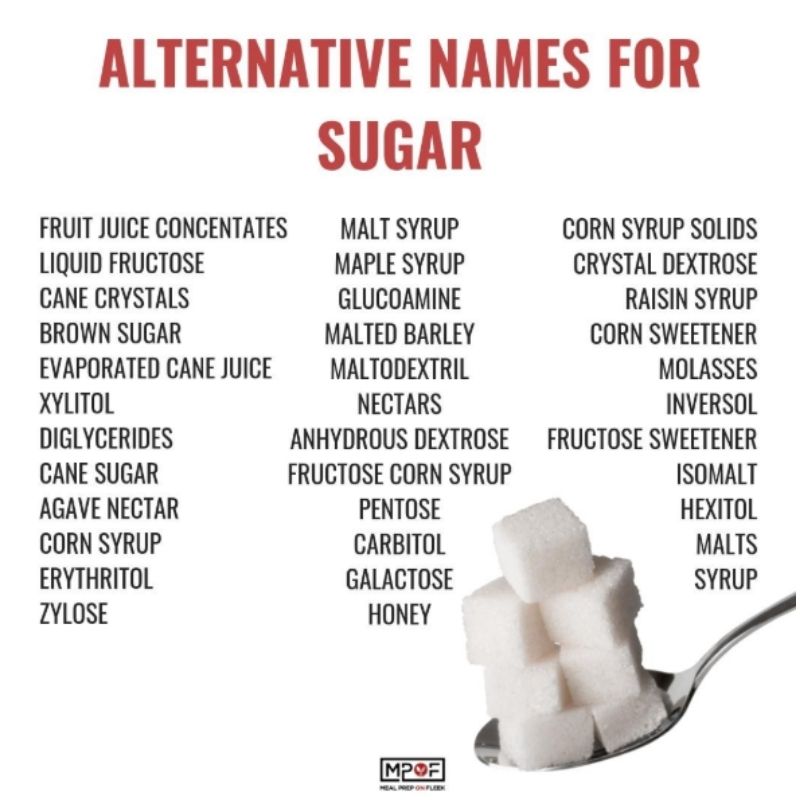
Step 5: Watch Added Sugars
This is where labels can be sneaky.
The Nutrition Facts label now includes added sugars in grams and as a percent Daily Value, which makes it easier to see how much sugar was added during processing.
The FDA also uses a simple guide for Daily Value: 5% DV or less is considered low, and 20% DV or more is considered high.
I don't avoid sugar completely. That's not realistic for me, and honestly, I like food that tastes good. But I do pay attention to where added sugar shows up.
Common places I check:
- Yogurt
- Granola
- Protein bars
- Salad dressings
- Pasta sauce
- BBQ sauce
- Marinades
- Coffee creamers
- "Healthy" cereals
My Added Sugar Rule
I ask: "Is the sugar worth it here?"
Sometimes the answer is yes. Sometimes I'd rather save it for dessert.
Sometimes you need a 21 Day Sugar Detox.
Step 6: Check Sodium
Sodium adds up fast, especially in packaged foods, frozen meals, sauces, deli meats, soups, and seasoning blends.
The FDA lists the Daily Value for sodium as 2,300 milligrams per day.
I don't expect every food to be super low in sodium. But when I'm meal prepping, I try to watch the total meal.
For example, if I'm using:
- A salty sauce
- Pre-seasoned protein
- Canned beans
- Packaged rice
- Cheese
That meal may get high in sodium quickly.
My Sodium Meal Prep Tip
If one ingredient is higher in sodium, I balance it with lower-sodium ingredients like plain rice, roasted vegetables, fresh herbs, lemon juice, or homemade sauces.
This is not about restriction. It's about balancing the container.
Step 7: Look at Fats
Fat is not the enemy. Fat helps meals taste better and keeps them satisfying.
What I look for is the type of fat and the overall balance.
I pay closer attention to:
- Saturated fat
- Trans fat
- Hydrogenated oils
- Highly processed fried foods
The FDA lists the Daily Value for saturated fat as 20 grams per day, based on a 2,000-calorie diet.
I also look for foods with fats from sources like:
- Olive oil
- Avocado
- Nuts
- Seeds
- Salmon
- Eggs
Again, this is not about being perfect. It is about knowing what is in the food and deciding how it fits.
Step 8: Read the Ingredient List
After I check the Nutrition Facts panel, I look at the ingredient list.
Ingredients are listed in descending order by weight, meaning the ingredient used in the greatest amount appears first.
This is one of the easiest ways to understand what a product is mostly made from.
If sugar, oil, or refined flour is one of the first ingredients, I take note. That does not automatically mean I won't buy it, but I want to know.
What I Ask When Reading Ingredients
- Do I recognize most of these ingredients?
- Is the first ingredient something I actually want more of?
- Are there multiple forms of sugar?
- Does this fit the kind of meal prep I'm building?
- Would a simpler version work just as well?
I don't need every ingredient list to be perfect. I just want it to make sense.
Step 9: Don't Get Distracted by Front-of-Package Claims
Food packages are designed to get your attention.
Some claims are regulated, but they still do not tell the whole story. "Low-fat" does not automatically mean healthy. "High-protein" does not always mean balanced. "Organic" does not automatically mean low sugar. "Gluten-free" does not automatically mean nutrient-dense.
I always flip the package over.
Here's my rule: front label for interest, back label for decisions.
Step 10: Use the Label Based on the Meal You're Building
This is the part that made nutrition labels less overwhelming for me.
I stopped judging foods one at a time and started asking how they fit into the meal.
For example:
If I'm Buying Pasta Sauce
I check:
- Added sugar
- Sodium
- Ingredient list
- Serving size
Then I think about what I'm pairing it with. If I'm using lean ground turkey, chickpea pasta, and vegetables, a slightly higher-sodium sauce might still work fine.
If I'm Buying Yogurt
I check:
- Protein
- Added sugar
- Calories
- Ingredients
For meal prep snacks, I usually want yogurt that has enough protein to actually keep me full.
If I'm Buying Frozen Meals
I check:
- Protein
- Fiber
- Sodium
- Calories
- Serving size
Then I ask whether I need to add something to it, like extra veggies, fruit, or a side salad.
Common Labeling Terms (and What They Really Mean)
| Term | What It Means |
|---|---|
| Fat-free | < 0.5g fat per serving |
| Calorie-free | < 5 calories per serving |
| % Fat-Free | ≤ 3g total fat per reference amount |
| Saturated Fat-Free | < 0.5g saturated fat |
| Low-Fat | ≤ 3g fat per serving |
| Low-Calorie | < 40 calories per serving |
| Low-Sodium | < 140mg sodium per serving |
| High-Fiber | ≥ 5g fiber per serving |
Don't let the buzzwords fool you-always check the full label to know what you're really getting.
In Summary: How I Use Nutrition Labels Now
- Start with serving size and multiply if needed
- Don't fixate on calories-focus on quality
- Prioritize whole ingredients and recognizable names
- Watch for added sugars and sodium
- Use labels as a tool-not a rule
Bonus: Want to Eat Better Without Obsessing?
If you're tired of decoding every food label and still unsure what to prep each week, the Workweek Lunch Meal Planner can help.
It's how I streamline my meal prep and make sure what I'm eating actually supports my goals (without making it my full-time job).
✅ Balanced, customizable meal plans
✅ Ingredient transparency (no mystery labels)
✅ Grocery lists and prep tips included
✅ Focused on real food, not restriction
10 Ways to Get To Know Your Food Better:
Reading nutrition labels is one part of understanding your food, but it is not the only part. I also like to look at how the food was grown, what ingredients were used, and whether it fits the kind of meal prep I'm trying to build.
This is not about making food more complicated. It is about making grocery shopping feel less like a guessing game.
1. Look for USDA Organic When That Matters to You
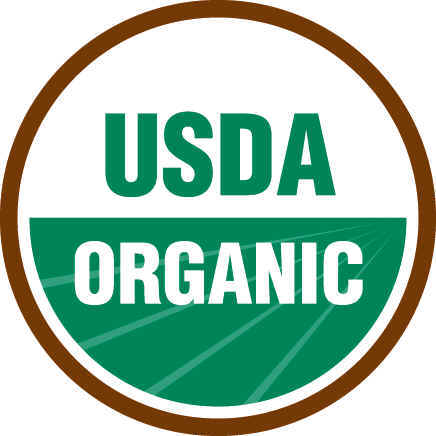
If avoiding GMOs is important to you, USDA Organic is a helpful label to know. The USDA prohibits the use of genetic engineering, or GMOs, in organic products. That means organic farmers cannot plant GMO seeds, and organic food producers cannot use GMO ingredients in certified organic products.
Organic does not automatically mean a food is lower in calories, sugar, or sodium, so I still check the Nutrition Facts label and ingredient list.
2. Know What Produce Stickers Can and Cannot Tell You
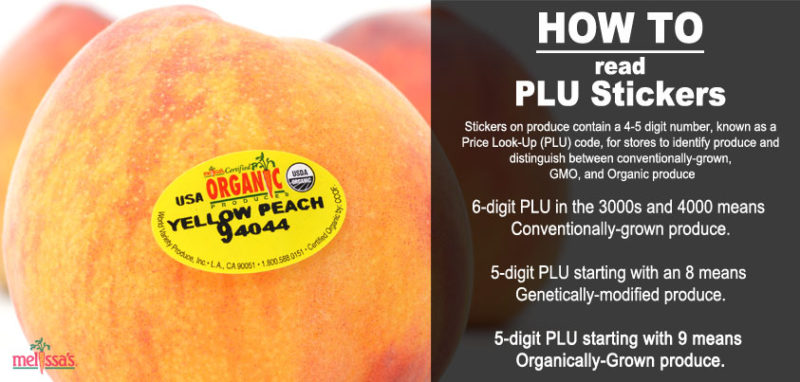
PLU codes are the small numbers you see on produce stickers. A five-digit code that starts with "9" generally indicates organic produce, while standard four-digit codes are commonly used for conventionally grown produce.
I would not rely on PLU codes alone to determine whether something is GMO. They are mainly used by retailers for checkout, pricing, and inventory.
3. Learn Which GMO Crops Are Commonly Available
The current U.S. GMO crop list is broader than older lists from 2013. According to the FDA, GMO crops currently available in the U.S. include alfalfa, apples, canola, corn, cotton, papaya, potatoes, soybeans, summer squash, and sugar beets.
That does not mean every apple, potato, squash, or ear of corn is GMO. It means GMO versions exist, so labels and sourcing can help if you prefer to avoid them.
4. Eat More Fruits and Vegetables Either Way
Most fresh produce is not genetically engineered, and eating more fruits and vegetables is still one of the simplest ways to improve your meals.
If your budget only allows for conventional produce, that is still a win. I'd rather see someone eat more produce consistently than skip it because organic options feel too expensive.
5. Check Packaged Food Ingredients
GMO crops often show up in packaged foods as ingredients derived from corn, soy, canola, cottonseed, or sugar beets. The FDA notes that GMO crops are commonly used to make ingredients like cornstarch, corn syrup, corn oil, soybean oil, canola oil, and granulated sugar.
When I'm buying packaged foods, I check the ingredient list and look for labels like USDA Organic or Non-GMO Project Verified if that is part of my goal.
6. Understand Meat, Dairy, and Eggs
Meat, dairy, and eggs may come from animals that were fed GMO feed unless the product is certified organic or carries another verification label.
If this matters to you, look for USDA Organic or verified non-GMO labeling. For me, this is also where budget and priorities come in. I focus first on protein quality, how often I'll use it, and whether it helps me prep meals I'll actually eat.
7. Know Your Seafood Source
Some farmed fish may be fed feed that includes ingredients from GMO crops. If you prefer to avoid that, wild-caught seafood can be a helpful option.
I also like seafood for meal prep because it cooks quickly, works well with simple seasonings, and can make a weekday lunch feel a lot less boring.
8. Use Frozen Fruits and Vegetables
Frozen fruits and vegetables are one of my favorite meal prep shortcuts.
They are usually picked and frozen quickly, they last longer than fresh produce, and they make it easier to add nutrients to meals without extra chopping. If avoiding GMOs matters to you, check the ingredient list and look for organic or verified non-GMO options, especially with higher-risk crops like corn, soy-based products, zucchini, yellow squash, papaya, potatoes, and sugar beets.
9. Stock Up on Simple Staples
Dry beans, lentils, rice, oats, nuts, seeds, and many whole grains are great staples to keep on hand.
They make meal prep easier because they are budget-friendly, versatile, and easy to build around. I still check labels when buying seasoned mixes or flavored versions because that is where added sugar, sodium, and oils can sneak in.
10. Read Labels Without Letting Them Run Your Life
You have the right to know what is in your food, but you do not need to make every grocery trip perfect.
My approach is simple:
- Read the Nutrition Facts label.
- Check the ingredient list.
- Look for trusted certifications when they matter to you.
- Choose foods that support your real-life routine.
The goal is not to fear food. The goal is to feel more confident about what you are putting in your cart, your meal prep containers, and your body.

Leave a Reply