
I've talked to so many people in our Meal Prep on Fleek community who've shared the same struggle: "Everything I eat wrecks my stomach." If that sounds familiar, I get it. Digestive issues like IBS can make eating-let alone prepping meals-feel like navigating a minefield.
After working with thousands of meal preppers, I've seen firsthand how dietary changes can ease symptoms and bring clarity. One path that's helped a lot of folks? A low-FODMAP approach.
But first...
What does eating with IBS look like?
Having IBS can make eating tricky as it's not always clear what's setting off the digestive issues; some people can handle dairy, others can't. Sometimes fruit causes problems, depending on what kind you've eaten.
The other part that's tough? Without getting too much into the weeds here, suffice to say that IBS can manifest in a few different ways. The folks in our community are often led to meal prepping and specific diets because of issues like IBS or food allergies.
If you've seen a functional medicine physician or an integrative nutritionist, they may have looked at things like FODMAPs are potential offenders. There is no guarantee that eliminating FODMAPs will make eating with IBS easier and solve all of your problems. But there's enough documented success that it's worth passing on the info!

And of course, if you're at all concerned that you've got IBS or wonder if you should be eliminating FODMAPs, please talk to your doctor or other appropriate health provider.
Quick Reminder: If you're looking to simplify your weekly planning while avoiding foods that trigger discomfort, check out our Workweek Lunch meal planner. It's flexible, budget-friendly, and great for people with dietary restrictions. You can choose what to avoid (like high-FODMAP foods), and we'll help with the rest.
What are FODMAPs?
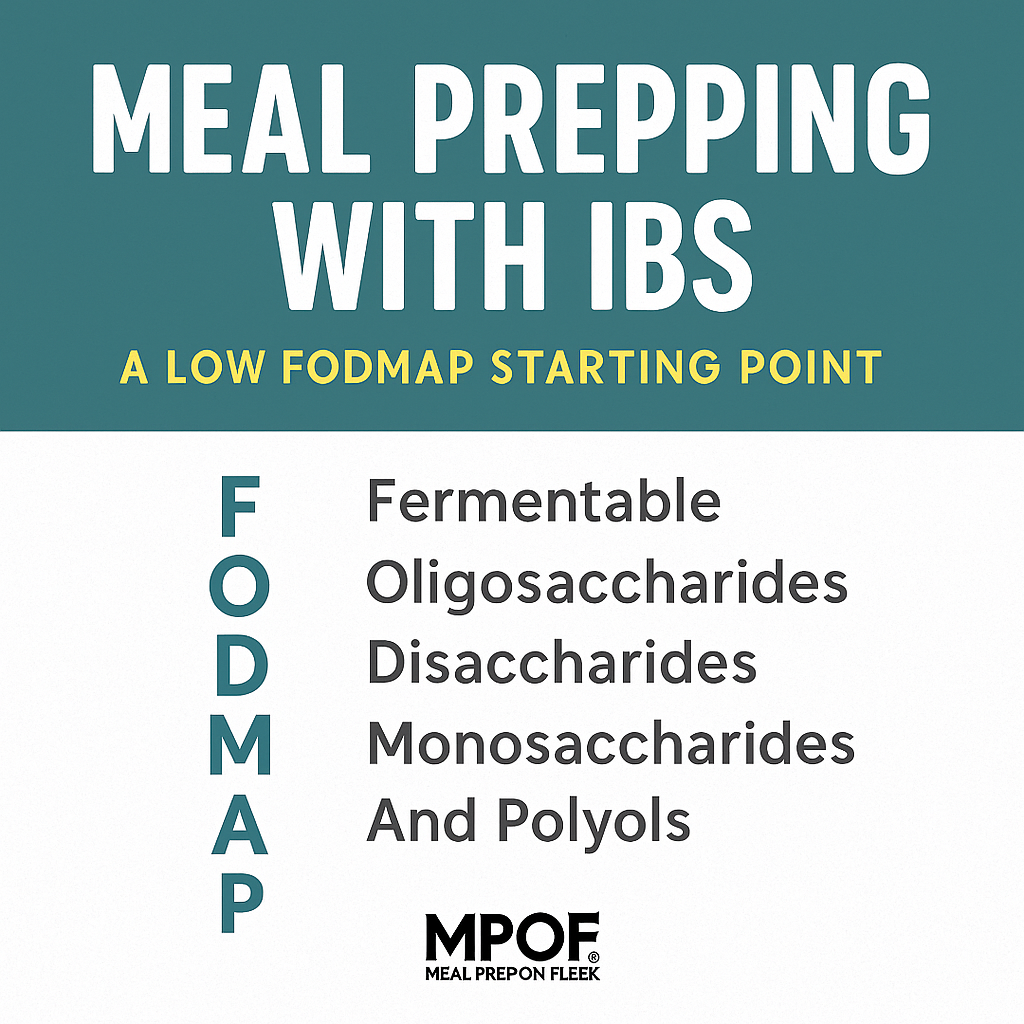
FODMAP is an acronym that stands for:
- Fermentable
- Oligosaccharides
- Disaccharides
- Monosaccharides
- And
- Polyols
In plain terms, these are short-chain carbs and sugar alcohols that some people don't digest well. They tend to linger in your digestive tract, where they draw in water and ferment-leading to bloating, gas, and discomfort.
FODMAPs draw water into your digestive tract, which could make you bloated. If you eat too much of them, they can hang around in your gut and ferment and cause discomfort. And that discomfort can irritate people with IBS.
Common Sources of FODMAPs
| FODMAP Type | Found In |
|---|---|
| Fructose | Fruits (apples, pears, mangoes), honey, agave, high-fructose corn syrup |
| Lactose | Milk, soft cheeses, ice cream |
| Fructans | Wheat, garlic, onions, inulin |
| Galactans | Legumes like lentils, chickpeas, soybeans |
| Polyols | Sugar-free gum, apples, peaches, plums, mushrooms |
According to a study in Gastroenterology, 75% of people with IBS reported significant symptom relief on a low-FODMAP diet-especially after sticking with it for at least a week.
That said, it's not a long-term diet. Think of it as an elimination tool: remove common offenders, then slowly reintroduce them to identify your personal triggers.
Carbohydrates that contain FODMAPs:
- Fructose: Fruits, honey, high-fructose corn syrup, agave
- Lactose: Dairy
- Fructans: Wheat, onions, garlic
- Galactans: Legumes, such as beans, lentils, and soybeans
- Polyols: Sugar alcohols and fruits that have pits or seeds, such as apples, avocados, cherries, figs, peaches, or plums
Avoiding FODMAPs doesn't help everyone. And some might bother you, and others might not. But in a study published in the journal Gastroenterology, about 3 out of 4 people with IBS saw their symptoms ease right away after starting a low-FODMAP diet, and felt the most relief after 7 days or more on the plan.
It might take some careful elimination of some of these offenders, and some careful label reading, too, while you're at it.
And it might initially seem puzzling, as in, how do I avoid these things? We are here to help!
READ MORE: 7 Food Combinations You Need to Know
Three Common Questions We Hear About FODMAPs & IBS
1. Is the low-FODMAP diet permanent?
No. It's a short-term tool to identify which foods may be causing digestive issues. Once you've figured that out, you can personalize your diet accordingly.
2. Can I still meal prep on a low-FODMAP plan?
Absolutely. Many recipes can be modified with low-FODMAP ingredients. For example, you can swap garlic and onion with garlic-infused olive oil and scallion greens.
3. What should I meal prep first?
Start simple: grilled chicken, roasted carrots and zucchini, brown rice, and a lactose-free tzatziki or chimichurri. Keep it minimal, then test new foods one at a time.
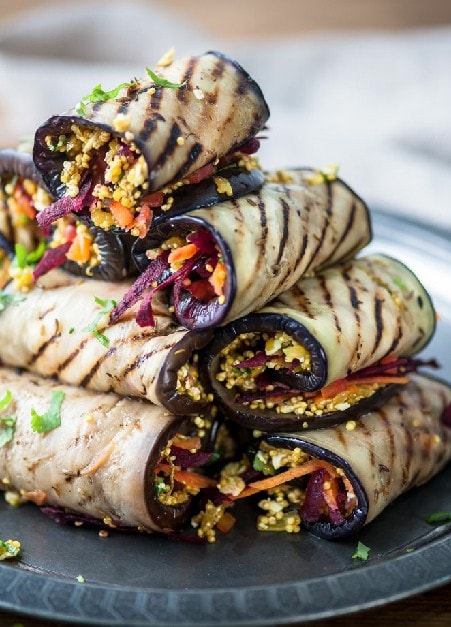
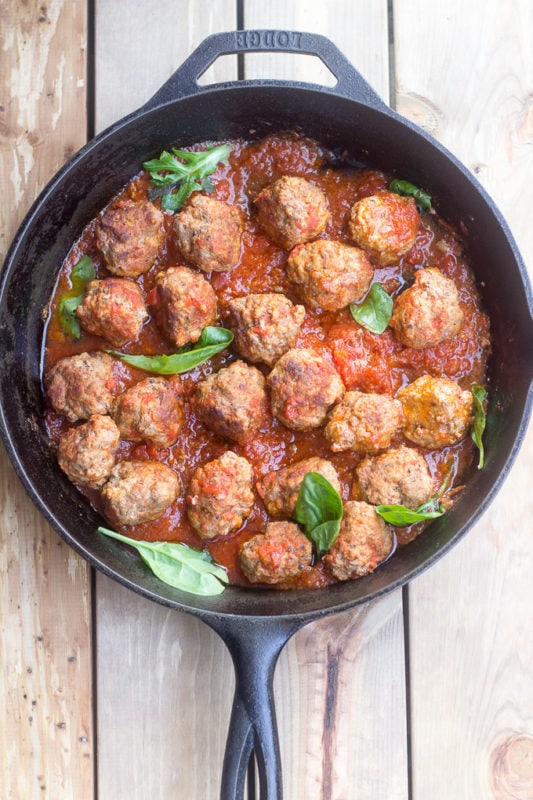
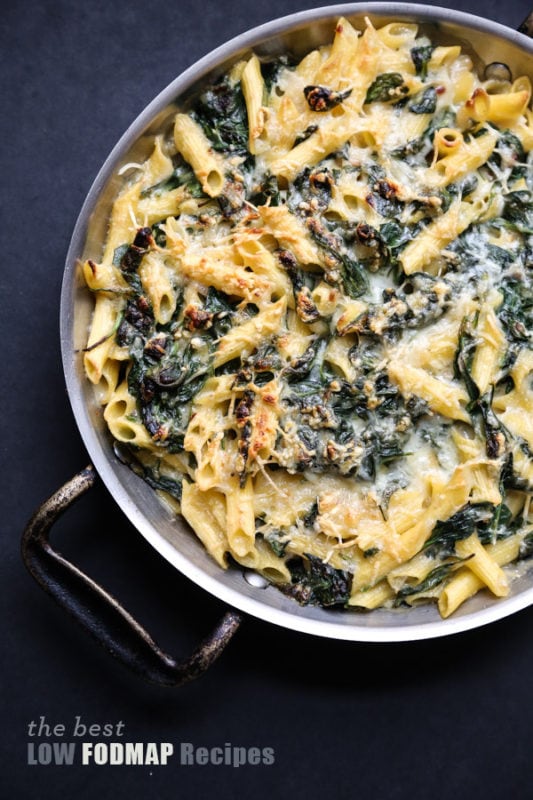
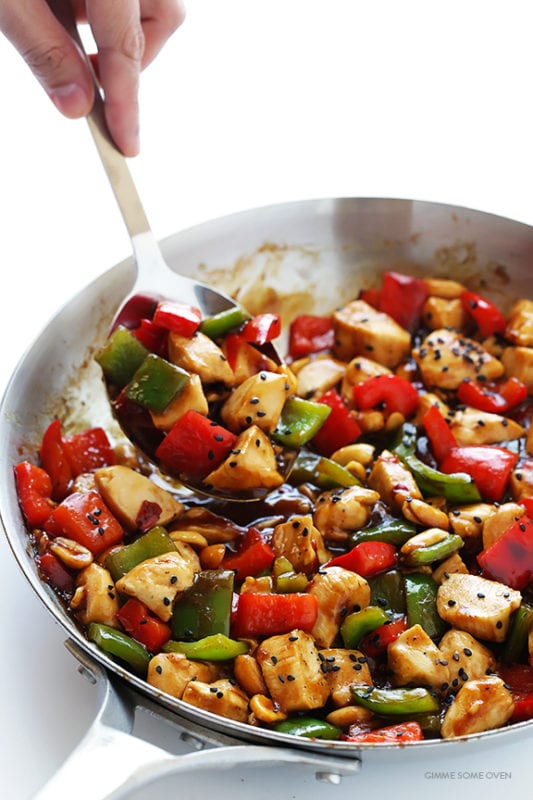
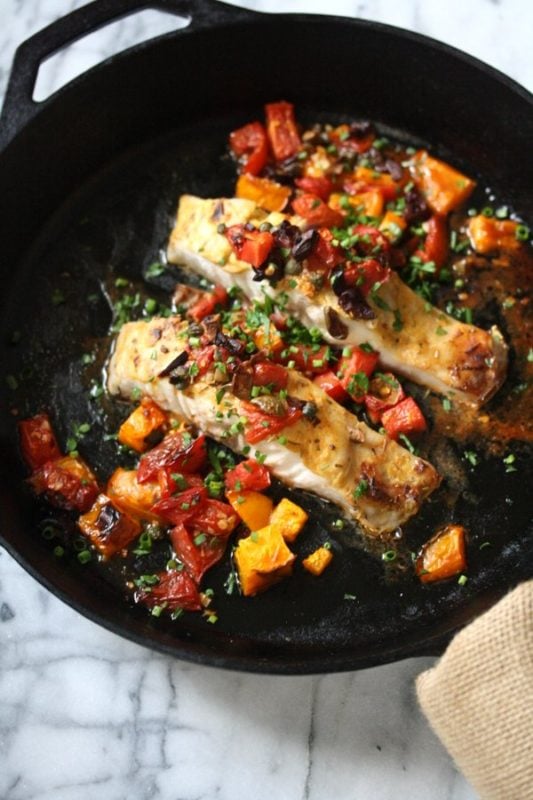
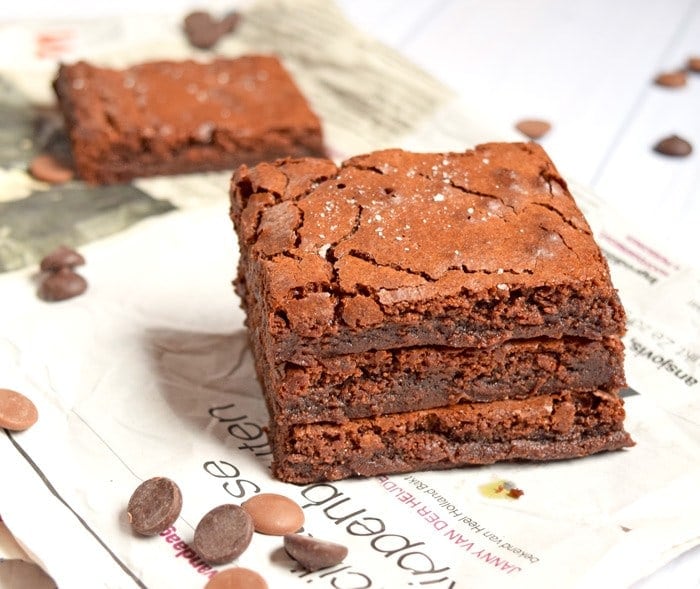
Low FODMAP Recipes
Breakfast




Lunch


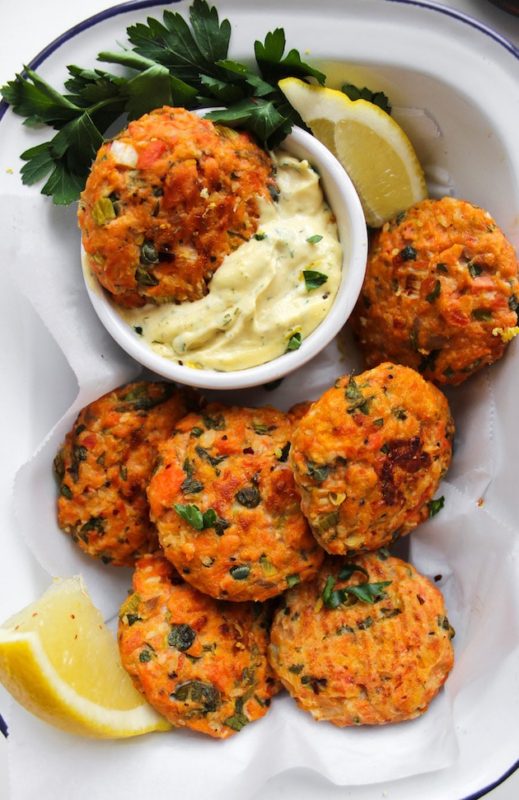
Dinner
Dessert
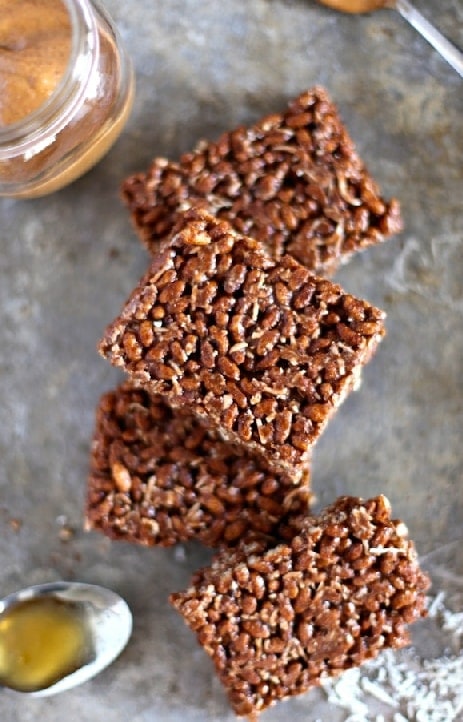

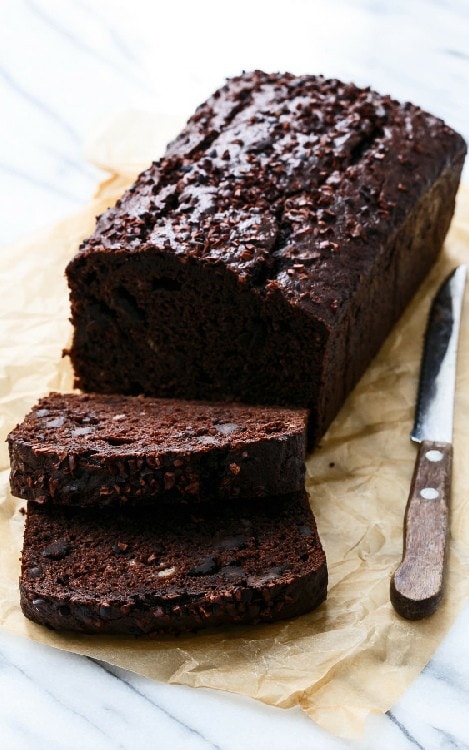
Pin this post for later:


Meghan Thomaston says
The Kung Pao Chicken looks so delicious and I was so excited seeing it but my low FODMAP diet is suppose to be without garlic. Anyone tried this dish without the garlic or subbed garlic infused oil? (allowed).
Sarah Kesseli says
Hi Meghan - Although the flavor profile won't be quite the same you could leave out the garlic or try it with the infused oil. Let us know how it works for you!
Amy Jones says
Thank you for sharing this. I will try some of the recipes especially the low fodmap breakfast recipe. looks yummy!
Tokunbo says
Thank you for your meals suggestions for IBS sufferers.🌷